Dawn Warriors: Inside Britain's Epic All-Night Field Raves That Build Cities From Scratch
When Fields Become Dancefloors
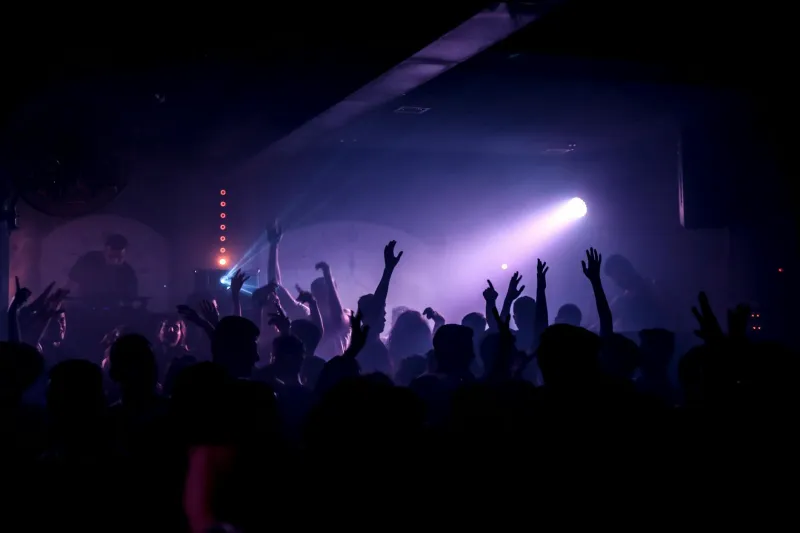
Picture this: a muddy field in rural Hertfordshire at 6pm on a Saturday. Sheep graze peacefully, birds chirp in nearby hedgerows, and the only sound is wind rustling through grass. Fast-forward twelve hours, and that same field is pulsing with 10,000 bodies moving to earth-shaking basslines, lasers cutting through morning mist, and the kind of collective euphoria that only comes from dancing until dawn in the great British outdoors.
This is the reality of Britain's latest nightlife revolution – the all-night outdoor rave that's rewriting the rules of what a proper night out can be. Part illegal warehouse party, part legitimate festival, these events occupy a unique space in our cultural landscape, offering the raw intensity of underground raves with the production values and safety standards of major festivals.
"We're essentially building a temporary city every weekend," explains Danny Thompson, founder of Midnight Fields, one of the UK's most successful outdoor rave operators. "By 8pm, we've got water supplies, security perimeters, sound systems worth more than most houses, and a population density that would make central London jealous. By 10am Monday, it's all gone."
 Photo: Midnight Fields, via windhamfabrics.com
The Logistics of Temporary Madness
The scale of organisation required to pull off these events is staggering. Unlike traditional festivals that have weeks to set up, outdoor raves operate on compressed timelines that would make military logistics officers weep. Most sites can only be accessed 48 hours before the event, meaning entire infrastructures must materialise in the blink of an eye.
"Friday morning, it's an empty field," says Rebecca Hayes, production manager for several major outdoor events across the Midlands. "Friday afternoon, we've got generators, toilets, bars, security fencing, and a sound system that can be heard from space. Saturday evening, we're hosting 8,000 people. Sunday morning, we're tearing it all down again. It's absolutely mental."
The sound engineering alone presents unique challenges that indoor venues never face. Outdoor raves must balance earth-moving bass levels with strict noise regulations that often kick in at midnight – precisely when most events are hitting their stride. The solution has led to innovations in directional sound technology and strategic site selection that prioritises acoustic isolation.
The New Tribes of the Fields
What's emerging from these events is a distinct subculture that borrows from rave history while creating something entirely new. The crowds are younger than traditional festival audiences but older than typical club nights, drawn by the promise of authentic musical experiences without the commercialised atmosphere of mainstream festivals.
"It's like the old warehouse days, but legal and with proper toilets," grins Alex, a 28-year-old graphic designer who's attended over forty field raves across the UK. "You get that raw energy, that sense of being part of something underground, but without worrying about police raids or dodgy sound systems cutting out."
The fashion has evolved too – practical rave wear designed for British weather unpredictability. Waterproof trainers, packable jackets, and clothing that can transition from muddy field to sunrise afterparty have become the uniform of this new movement.
Weather Wars and British Determination
Of course, this is Britain, where weather can transform from balmy summer evening to arctic tundra in the space of a single DJ set. Outdoor rave promoters have learned to embrace meteorological chaos as part of the experience.
"Rain makes it better," insists Sarah Mitchell, who runs Horizon Events across the South West. "I know that sounds mad, but there's something about dancing in a downpour at 3am that just hits different. We've had events where it's been absolutely biblical – proper Noah's Ark stuff – and people are still going mental on the dancefloor."
The infrastructure has adapted accordingly. Covered areas that can be rapidly deployed, drainage systems that prevent fields becoming swamps, and contingency plans that account for everything from flash floods to surprise snow have become standard operating procedure.
The Sound System Scientists
Perhaps the most impressive aspect of these events is the audio engineering. Creating club-quality sound in open fields requires technology and expertise that pushes the boundaries of what's possible. The best outdoor raves now feature sound systems that rival major festival main stages, but with the intimacy and bass response of underground clubs.
"We're basically doing the impossible every weekend," explains Marcus Reid, sound engineer for several prominent outdoor events. "You're fighting wind, you're fighting noise restrictions, you're fighting the fact that sound just disappears into the atmosphere. But when you get it right – when you've got 5,000 people losing their minds to a bassline that's literally moving the earth beneath their feet – it's pure magic."
The technical innovations emerging from this scene are already influencing mainstream festival production. Modular sound systems that can be rapidly deployed, environmental monitoring that adjusts audio levels in real-time, and crowd management technologies that use sound mapping to prevent dangerous overcrowding.
Dawn Patrol: The Sacred Sunrise Sessions
What sets outdoor raves apart from traditional club nights is the relationship with time and light. These events don't just run until dawn – they're designed around it. The sunrise becomes the climactic moment, the collective reward for surviving the night.
"There's something primal about dancing as the sun comes up," reflects DJ Maya Chen, who's played dawn slots at outdoor events across the country. "You've got this crowd who've been on a journey together all night, and suddenly you're all watching the world wake up while the music keeps going. It's spiritual, honestly."
The programming reflects this arc. Sets are carefully curated to build through the night, with the biggest emotional moments timed for that magical hour when darkness gives way to light. It's club culture meets ancient ritual, techno meets druidic ceremony.
The Future of Fields
As outdoor raves continue to grow in popularity and sophistication, they're beginning to influence broader nightlife culture. Traditional venues are experimenting with outdoor spaces, festivals are incorporating more club-style programming, and a new generation of event producers is emerging who understand how to create transformative experiences in temporary spaces.
"This isn't just about big speakers in fields," argues Thompson. "We're proving that you can create genuine community, real cultural moments, in spaces that exist for just one night. That's powerful. That changes how people think about what nightlife can be."
The success of outdoor raves also speaks to a broader hunger for authentic experiences in an increasingly digital world. In an age of Instagram-perfect club nights and corporate festival experiences, there's something deeply appealing about events that prioritise raw musical experience over polished presentation.
As the movement continues to evolve, one thing is certain: Britain's fields will never look the same again. Every empty meadow now holds the potential for transformation, every sunset the promise of a night that could change everything. In a country where nightlife has often felt constrained by licensing laws and urban limitations, the great outdoors has become the ultimate dancefloor – one that's as vast and unpredictable as the music that fills it.