Dancing Through Downpours: The British Festival Spirit That Weather Can't Break
Dancing Through Downpours: The British Festival Spirit That Weather Can't Break
There's a moment at every British festival when the weather app becomes irrelevant. It's usually around 3pm on Saturday, when the first fat raindrops start pelting down and festival-goers face a choice: retreat to the relative safety of their tents or lean into the madness. If you've ever witnessed a field of 50,000 people collectively decide to embrace the chaos, you'll know there's something uniquely British about choosing joy over comfort.
"The rain doesn't stop the party, it just changes the vibe," laughs Sarah Chen, a 28-year-old from Manchester who's been doing the festival circuit for over a decade. "Some of my best memories are from the muddiest, wettest festivals. There's something about dancing in wellies that just hits different."
When Weather Becomes Part of the Experience
The British relationship with festival weather is complex, bordering on masochistic. We'll spend months planning outfits, only to end up covered head-to-toe in waterproofs. We'll invest in expensive camping gear, then find ourselves huddled under a gazebo with complete strangers, sharing lukewarm tea from a thermos.
But ask any seasoned festival-goer, and they'll tell you: the weather isn't the enemy. It's part of the story.
"Glastonbury 2016 was absolutely biblical," recalls Tom Henderson, a festival photographer who's captured some of the muddiest moments in British festival history. "I watched people sliding down hills on their backs, using bin bags as makeshift sledges. The main stage looked like a swamp, and everyone was having the time of their lives."
The psychology behind this collective resilience runs deeper than simple British stoicism. Dr. Emma Williams, a social psychologist at Leeds University who studies group behaviour at large events, suggests that shared adversity actually enhances the festival experience.
"When everyone's dealing with the same challenging conditions, it creates this incredible sense of solidarity," she explains. "The rain becomes a leveller. It doesn't matter if you're in the VIP area or camping in a field – everyone's equally soaked."
The Gear That Saves the Day
Of course, embracing the elements doesn't mean being completely unprepared. The festival veteran's arsenal has evolved over the years, moving far beyond the basic poncho-and-pray approach.
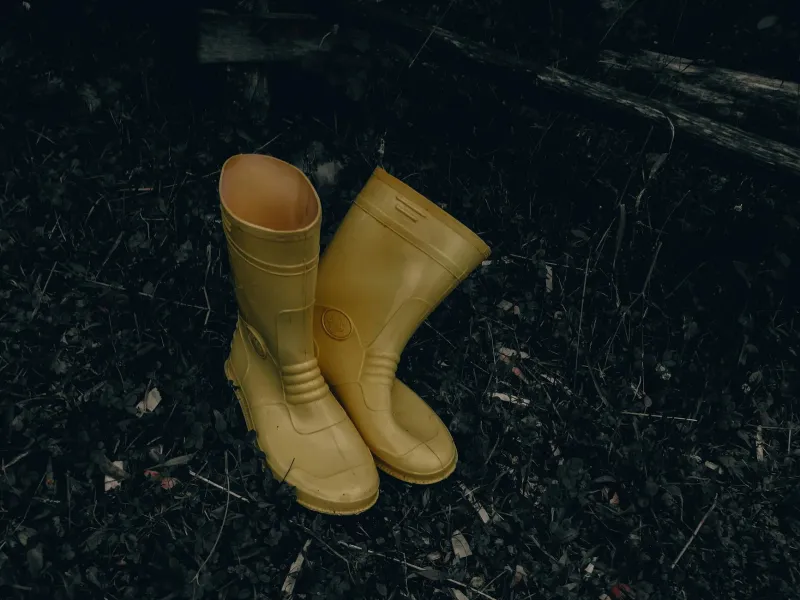
"Hunter wellies are festival currency," declares Lucy Morrison, who runs the Instagram account @FestivalSurvivalGuide. "But the real game-changer is investing in proper waterproof socks. Your feet will thank you when you're still dancing at 2am while everyone else has surrendered to soggy trainers."
The modern festival survival kit reads like a military operation: waterproof phone cases, quick-dry towels, portable camping chairs that double as mud shields, and enough plastic bags to wrap everything twice. But perhaps most importantly, the right mindset.
"I pack for the apocalypse and hope for sunshine," says James Wright, a 32-year-old from Birmingham who's attended over 40 festivals. "The key is accepting that you're going to get wet, muddy, and probably lose at least one sock. Once you make peace with that, everything else is just bonus."
The Mud Olympics
What happens when 50,000 people refuse to let weather dictate their fun? Improvised entertainment that would make a playground supervisor weep. Mud angels. Impromptu slip-and-slides. Human pyramids that collapse spectacularly into puddles.
"Reading 2019 was like a massive outdoor nursery," remembers festival regular Katie Thompson. "People were literally painting each other with mud, having full-on dirt fights during the headliner sets. It was chaos, but beautiful chaos."
Social media has only amplified this phenomenon. Instagram stories filled with rain-soaked selfies and TikToks of festival-goers creating water slides in tents have turned weather-related chaos into content gold. The hashtag #festivalweather has become a badge of honour rather than a complaint.
When the Sun Breaks Through
Perhaps the most magical moment at any rain-soaked festival is when the clouds part and the sun makes its triumphant return. Steam rises from the crowd, wellies squelch in unison, and there's a collective sigh of relief mixed with mild disappointment that the adventure is over.
"That moment when the sun comes out after hours of rain – it's like the whole festival exhales," says Chen. "Suddenly everyone's stripping off layers, lying in the mud to dry off, taking photos of their battle wounds. It's this beautiful reset button."
The aftermath of a proper festival washout creates its own ecosystem. Mud-caked clothing becomes a talking point. Strangers bond over shared misery-turned-triumph. WhatsApp groups light up with photos of the carnage, and planning for next year begins before anyone's even made it home.
The Science of Soggy Solidarity
There's actual research backing up what festival-goers have known instinctively for decades: shared struggle creates stronger memories and deeper connections. A 2018 study by the University of Oxford found that people who endured challenging conditions together reported higher levels of satisfaction and stronger social bonds than those who experienced more comfortable circumstances.
"It's the same principle behind military training or adventure holidays," explains Dr. Williams. "When you overcome adversity together, it creates this powerful sense of collective achievement. The rain isn't ruining your festival experience – it's intensifying it."
Looking Ahead: Climate Change and Festival Culture
As British summers become increasingly unpredictable, festival organisers are adapting. Better drainage systems, more covered areas, and improved weather contingency plans are becoming standard. But the fundamental spirit remains unchanged.
"We could build the most weather-proof festival in the world," says Henderson, "but I guarantee you'd still find people choosing to dance in the rain. It's not about avoiding the weather anymore – it's about celebrating it."
As another festival season approaches and weather apps start their familiar dance of contradictory predictions, one thing remains certain: somewhere in a British field, when the first drops of rain begin to fall, thousands of voices will rise in defiant celebration. Because in Britain, we don't just tolerate the weather – we make it part of the party.