Sparkle and Cash: Inside Britain's Booming Festival Beauty Empire
The Golden Rush
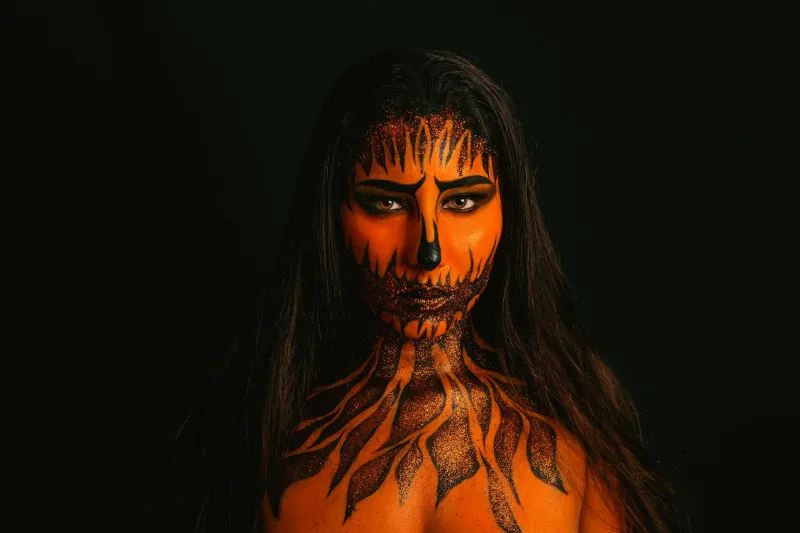
Walk through any British festival these days and you'll witness something remarkable: an army of glitter-covered punters queuing up to spend serious money on sparkly transformations. What once meant a quick dab of face paint from a charity stall has morphed into a sophisticated beauty economy that's raking in millions.
Take Glastonbury 2024, where premium body art stations were charging £40 for elaborate designs that would make West End makeup artists jealous. The queues stretched longer than those for the main stage, with festival-goers treating their aesthetic transformation as seriously as their musical pilgrimage.
"We've gone from selling £2 face gems to running what's essentially a luxury beauty salon in a field," explains Sarah Chen, whose company Sparkle & Mud operates across fifteen major UK festivals. "Last summer alone, we turned over £2.3 million. People budget for their festival look like they budget for their tickets."
The Artists Behind the Empire
Behind every shimmering cheekbone is a skilled professional who's capitalised on Britain's obsession with festival transformation. Meet Zara Williams, a former makeup artist for film productions who pivoted to festivals in 2019 and now employs thirty staff across the summer circuit.
"Festival beauty is performance art," Williams insists, applying intricate geometric patterns to a customer's face at £25 per session. "These aren't just decorations – they're tribal markings for the modern age. People want to shed their Monday-to-Friday selves and become something magical."
The numbers back up her philosophy. Industry research suggests the average festival-goer now spends £67 on body art and beauty products across a typical weekend event – more than they spend on food. Premium packages, including full-body glitter applications and UV-reactive designs, can cost upwards of £150.
Beyond the Sparkle
What's driving this glittery gold rush? Psychologist Dr. James Morton, who studies festival culture, believes it taps into something deeper than vanity.
"Festivals represent temporary autonomous zones where normal social rules don't apply," he explains. "Body art becomes a form of armour – it signals you're part of the tribe whilst allowing individual expression. It's ritualistic transformation for the Instagram age."
The rise of social media has undoubtedly fuelled demand. Festival beauty has become content currency, with elaborate looks generating thousands of likes and spawning entire influencer careers. Companies like Eco Glitz report 400% year-on-year growth, largely driven by customers seeking 'Instagrammable' moments.
The Sustainability Reckoning
Not everything that glitters is gold, however. Traditional plastic glitter has become environmental enemy number one, with festival organisers increasingly banning non-biodegradable products. This crisis has sparked innovation across the industry.
Bio-glitter pioneer Lucy Harrison founded Earth Shimmer after witnessing the environmental carnage at Reading Festival 2018. "I saw fields carpeted in plastic glitter that would take centuries to decompose," she recalls. "We knew we had to create alternatives that could deliver the same visual impact without destroying the planet."
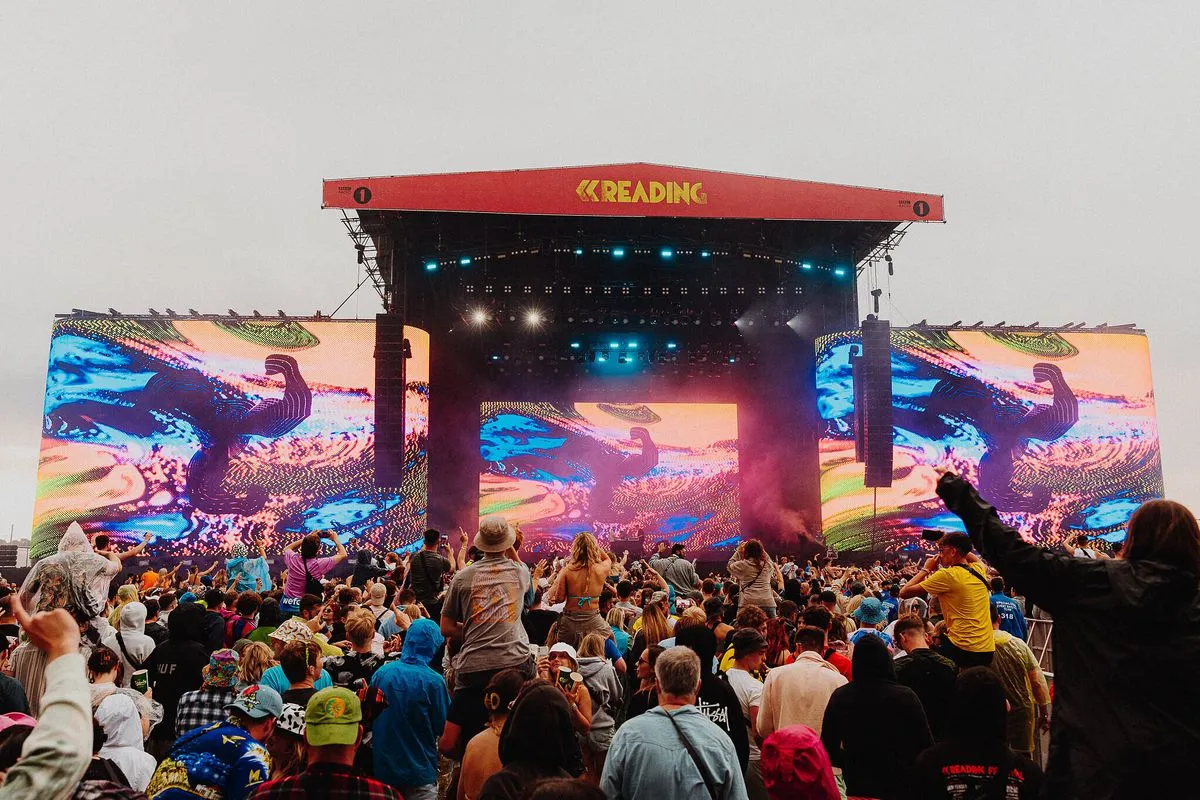 Photo: Reading Festival, via cdn-az.allevents.in
Her company now supplies biodegradable alternatives made from eucalyptus extract to over forty UK festivals. The premium pricing – roughly 300% more than traditional glitter – hasn't deterred customers.
"Gen Z festival-goers are incredibly environmentally conscious," Harrison explains. "They'll happily pay extra for products that align with their values. Sustainability has become part of the luxury experience."
The Future of Festival Beauty
As the industry matures, entrepreneurs are pushing boundaries beyond traditional glitter and paint. Temporary tattoo artist collective Ink & Mud reports six-figure revenues from festival circuits, whilst LED body art specialists are charging premium rates for light-up designs that photograph beautifully after dark.
The technological integration is accelerating too. Augmented reality filters are being incorporated into physical designs, whilst some companies offer QR code body art that links to playlists or social media profiles.
"We're witnessing the birth of a completely new creative economy," argues festival industry analyst Rebecca Thompson. "These aren't just beauty services – they're experience designers creating memories that last long after the music stops."
The Democratisation of Glamour
Perhaps most significantly, festival beauty has democratised glamour in uniquely British fashion. Unlike exclusive London fashion weeks or celebrity red carpets, festival fields offer everyone the chance to become a walking artwork.
"You'll see a farmer's daughter from Yorkshire getting the same elaborate treatment as a Chelsea socialite," observes Chen. "Festivals are one of the few spaces where class barriers dissolve completely. Your postcode doesn't matter when you're covered in biodegradable glitter."
As Britain's festival season continues expanding – with over 900 music events now running annually – the beauty economy shows no signs of slowing. Industry projections suggest the sector could hit £50 million in annual revenues by 2027.
For the entrepreneurs riding this glittery wave, the message is clear: in a world increasingly dominated by digital experiences, there's still serious money to be made helping people transform their physical selves into festival fantasies. The sparkle economy isn't just about looking good – it's about feeling extraordinary.
And in rain-soaked British fields where magic happens against all odds, that transformation feels more valuable than ever.