The 11:47 Panic: Mastering Britain's Chaotic Night Out Exodus
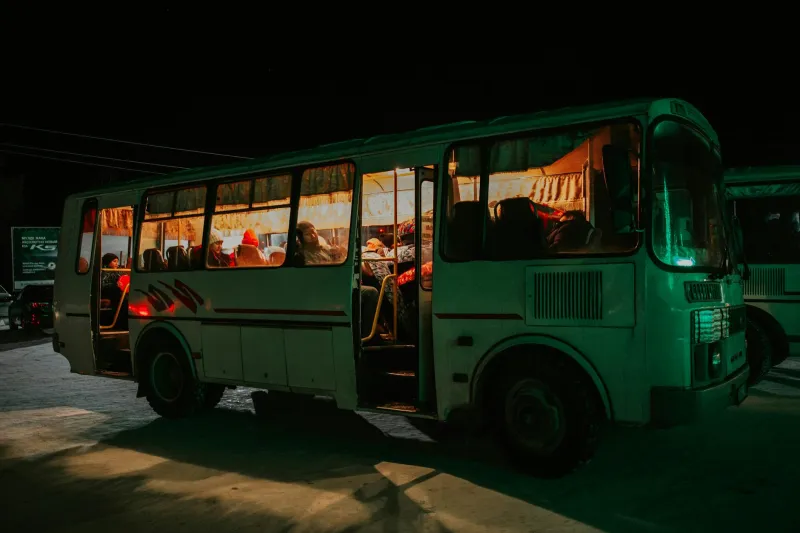
The 11:47 Panic: Mastering Britain's Chaotic Night Out Exodus
Every British night out follows the same inevitable arc. There's the pre-drinks optimism, the peak-time euphoria, and then – usually around 11:47pm – the moment someone checks their phone and delivers the words that transform any group from carefree revellers into a frantic logistics unit: "Shit, last train's in thirteen minutes."
What follows is a uniquely British phenomenon that combines the strategic complexity of a military evacuation with the comedic timing of a sitcom. It's the great night out exodus, and it's become as much a part of our social fabric as the night itself.
The Moment Everything Changes
"It's like a switch flips," explains Marcus Johnson, a 26-year-old from Leeds who's perfected the art of the last-minute dash. "One minute you're buying another round, the next you're doing complex mathematics involving train times, Uber surge pricing, and how long it takes to find everyone's coat."
The transformation is immediate and total. WhatsApp groups that have been dormant all evening suddenly explode into life. Screenshots of train timetables appear alongside frantic voice notes. Someone inevitably suggests walking – a suggestion that's immediately shot down by anyone wearing heels or living more than three miles away.
"I've seen grown adults cry over missing the 23:52 to Watford," laughs Emma Rodriguez, who works behind the bar at a popular Camden venue. "The panic is real. Suddenly everyone becomes a transport expert, arguing over which route is fastest while simultaneously trying to settle their tab."
The WhatsApp War Room
Modern technology has transformed the chaos into something resembling organised panic. Group chats become command centres, with real-time updates on everyone's location, taxi availability, and the increasingly desperate backup plans.
"Our group chat has three different transport spreadsheets," reveals Sarah Kim, a 29-year-old from Manchester whose friendship group has elevated night-out logistics to an art form. "We know exactly how long it takes to get from every venue to every station, factoring in stopping for chips. We're basically the SAS of Saturday nights."
The messages follow a predictable pattern: initial denial ("We've got loads of time"), rapid escalation ("WHERE IS EVERYONE???"), strategic planning ("Tom's getting the car, meet at the corner"), and finally, acceptance ("Fuck it, we're staying out").
But perhaps most revealing are the unspoken hierarchies that emerge. Who gets priority in the first available Uber? Who's responsible for making sure everyone makes it home safely? The answers reveal the true dynamics of British friendship groups.
The Heroes and Villains of the Journey Home
Every group has its cast of characters when it comes to the end-of-night scramble. There's the Designated Driver Saint – the unsung hero who nurses a single pint all evening and becomes everyone's salvation. There's the Transport Coordinator, frantically checking apps and shouting instructions. And inevitably, there's the Chaos Agent who vanishes just when everyone needs to leave.
"I'm always the designated driver," sighs James Peterson, a 31-year-old from Bristol. "Do I mind? Sometimes. But there's something quite satisfying about being the reliable one. Plus, I get to watch everyone else's drunken logistics meltdown from a position of smug sobriety."
The designated driver phenomenon has evolved into something approaching sainthood in British nightlife culture. These heroes navigate not just roads, but complex social dynamics: mediating arguments over music, managing the inevitable McDonald's detour, and somehow fitting seven people into a five-seat car.
"The key is setting boundaries early," advises Peterson. "I tell everyone upfront: we leave when I say we leave, no detours unless they involve food, and whoever calls shotgun first gets it. Democracy doesn't work when you're the only sober person."
The Sacred Ritual of the Food Stop
No British night out is complete without the pilgrimage to whatever food establishment is still serving at 1am. Whether it's a kebab shop in Newcastle, a chicken cottage in London, or a chippy in Glasgow, these late-night pit stops have become as essential as the night out itself.
"The food stop isn't really about hunger," explains Dr. Lisa Thompson, a sociologist at Manchester University who studies British social rituals. "It's about prolonging the experience, creating one final shared moment before everyone disperses. It's the decompression chamber between night and morning."
The queue dynamics at these establishments reveal fascinating social hierarchies. Who pays for whom? Who shares their chips? The drunk economics of late-night food purchases operate on entirely different principles from daylight transactions.
"I once bought chips for twelve people I'd never met because they were behind us in the queue," recalls Amy Watson, a 24-year-old from Edinburgh. "Drunk me is apparently very generous. Sober me was less impressed when I checked my bank statement."
The Economics of Escape
The financial mathematics of getting home after a night out would challenge a Treasury economist. Uber surge pricing transforms a £15 journey into a £60 mortgage payment. Train tickets bought after 11pm cost more than some people's weekly food budget. And somehow, splitting a taxi five ways always results in arguments that last longer than the journey itself.
"I've got a spreadsheet tracking how much I spend on getting home versus how much I spend on actually going out," reveals Tom Chen, a 27-year-old from Liverpool. "Some months, transport costs more than drinks. It's insane, but what's the alternative? Walking twelve miles in the rain wearing your best shirt?"
The rise of e-scooters and bike-sharing schemes has added new dimensions to the late-night transport ecosystem. Suddenly, grown adults are wobbling home on electric scooters, navigating cobblestones in heels, or attempting to unlock Boris bikes with fingers that can barely operate a smartphone.
When Plans Go Spectacularly Wrong
Of course, the best-laid plans of mice and drunk people often go astray. Missed connections, cancelled services, and the inevitable "my phone died" scenario create legendary stories that get retold for years.
"We once ended up sleeping in Paddington Station because someone got us on the wrong train," laughs Katie Morrison, recounting a night out that became a two-day adventure. "We woke up to commuters stepping over us. Probably the most expensive night's sleep I've ever had, considering we'd already paid for hotels."
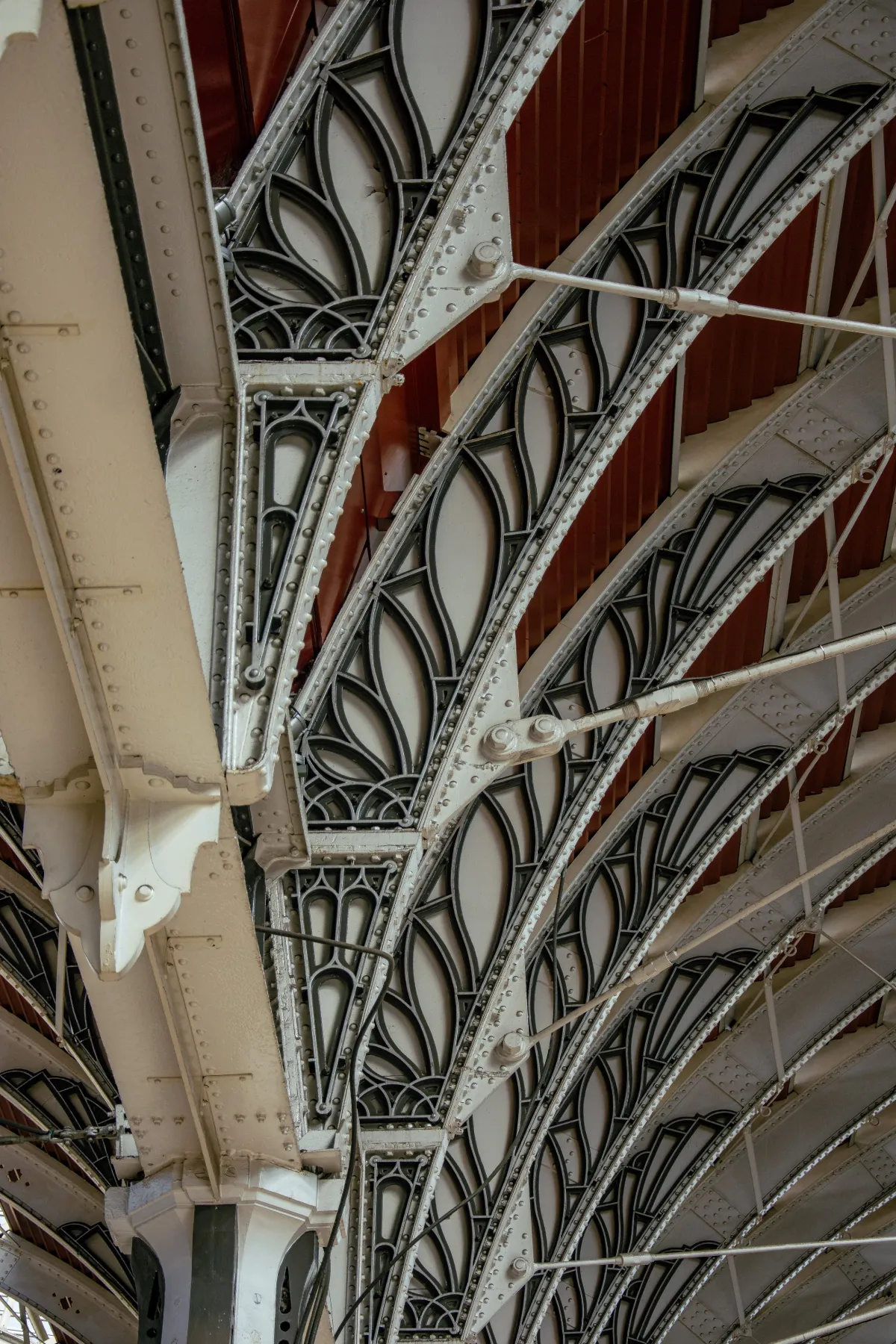 Photo: Paddington Station, via images.squarespace-cdn.com
These disaster stories become part of group mythology. The night everyone ended up in Reading instead of Richmond. The time the designated driver got more drunk than anyone else. The legendary walk home that took four hours and involved three different takeaway stops.
The Morning After Mathematics
The real reckoning comes the next morning, when bank notifications start arriving and the true cost of the journey home becomes clear. Uber receipts that would fund a weekend break. Multiple taxi fares because someone kept forgetting their keys. The mysterious £47 charge that nobody can explain but everyone contributed to.
"The group chat the next morning is always hilarious," says Rodriguez. "Everyone trying to piece together who paid for what, who owes whom, and why there's a receipt for a taxi to somewhere none of them remember going."
Evolution of the Exodus
The pandemic fundamentally changed British night out culture, and the journey home evolved accordingly. Suddenly, everyone became experts in local taxi companies. Walking routes that had been abandoned for years were rediscovered. The economics shifted as public transport reduced services but Uber prices remained astronomical.
"We started planning the journey home before we even went out," explains Kim. "Book the taxi for 11:30, no matter what. It forced us to be more organised, but it also took some of the spontaneity out of it."
The Future of Getting Home
As British nightlife continues to evolve, so too does the art of getting home. Apps that predict surge pricing, group booking services that split costs automatically, and even some venues offering their own transport services are changing the game.
But perhaps most importantly, the chaos itself has become part of the experience. The frantic group chats, the heroic designated drivers, the legendary food stops – they're not bugs in the system, they're features.
"The journey home is part of the story," reflects Johnson. "Some of my best memories aren't from the club or the pub – they're from the absolute chaos of trying to get seven drunk people from Shoreditch to South London at 2am. It's stressful in the moment, but it's also kind of beautiful."
As another weekend approaches and group chats start buzzing with plans, one thing remains certain: somewhere in Britain, someone is about to check their phone, realise the last train leaves in thirteen minutes, and transform a peaceful night out into a logistical masterpiece. And honestly? We wouldn't have it any other way.