Clear Minds, Perfect Beats: The Stone-Cold Sober DJs Revolutionising British Dancefloors
Breaking the Chemical Dependence
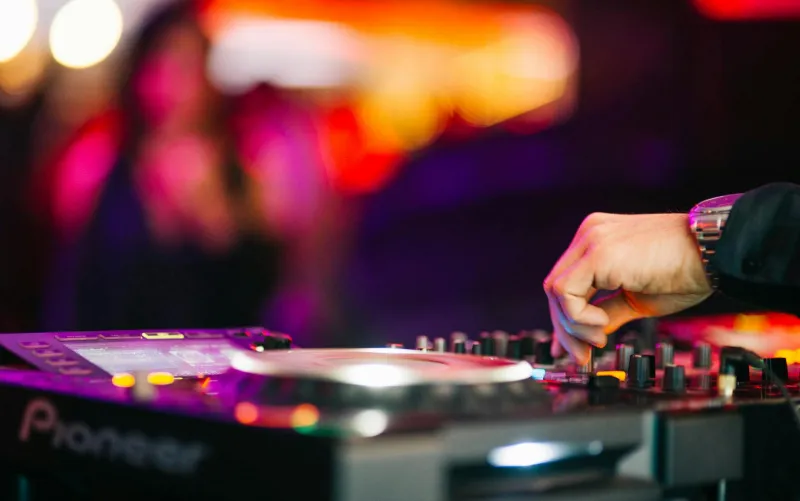
The image is so embedded in nightlife mythology it feels almost sacred: the DJ, eyes dilated, lost in a chemical haze, channeling some otherworldly energy through the decks. It's a narrative that's dominated club culture for decades, suggesting that altered states are essential for creating transcendent musical experiences.
But across Britain's club scene, a quiet revolution is taking place. DJs are stepping behind the decks stone-cold sober – and discovering that clarity, not chemicals, might be the real key to reading a room.
"I spent ten years thinking I couldn't connect with a crowd without something to take the edge off," admits Marcus Thompson, a house DJ who's been playing sober for three years across Manchester's underground scene. "Turns out, I was wrong. Dead wrong. The connection I have with the music and the crowd now is deeper than anything I experienced before."
Marcus isn't alone. From London's techno warehouses to Glasgow's intimate club nights, sober DJs are quietly proving that the best highs come from pure musical chemistry.
The Awakening
For many DJs, the journey to sobriety begins with a realisation that substances were masking, rather than enhancing, their artistic abilities. The industry's party culture can create a dependency that feels professional rather than personal – as if getting wasted is part of the job description.
"I genuinely believed that pills made me a better DJ," reflects Sarah Chen, who spins drum and bass across the South East circuit. "But when I finally played sober for the first time – out of necessity, not choice – I realised I'd been numbing my instincts for years. Sober, I could hear every detail in the music, feel every shift in the crowd's energy. It was like putting on glasses after years of blurred vision."
The transition isn't always smooth. Many DJs describe initial anxiety about performing without their chemical crutches, worried they'll lose their edge or fail to connect with audiences expecting a certain energy level.
Sharper Than Ever
What sober DJs consistently report is enhanced technical ability. Without chemical interference, their timing becomes more precise, their track selection more intuitive, their ability to read crowd dynamics more sophisticated.
"My mixing is technically better now, no question," explains Jamie Rodriguez, who plays techno across London's club circuit. "When you're sober, you can hear every element in the mix clearly. You catch mistakes immediately, you can anticipate where tracks want to go. Plus, your hands are steadier, your concentration is deeper. It's like upgrading your entire operating system."
This technical improvement often translates into more adventurous musical choices. Sober DJs report feeling more confident experimenting with unusual tracks, taking risks they might have avoided while under the influence.
Reading Rooms Like Never Before
Perhaps the most significant change sober DJs experience is their enhanced ability to connect with crowds. Without chemical filters, they become more attuned to the subtle energy shifts that determine a successful night.
"When you're sober, you notice everything," observes Lisa Park, who plays house and disco across Birmingham's club scene. "You can see when someone's having a breakthrough moment on the dancefloor, when a group of friends are bonding over a particular track, when the energy needs lifting or grounding. You become like a conductor, but instead of an orchestra, you're conducting pure human emotion."
This heightened awareness allows sober DJs to create more responsive sets, adjusting their musical journey based on real-time feedback from the crowd rather than their own altered perceptions.
The Health Revolution
Beyond artistic benefits, sober DJing offers obvious health advantages. The nightlife industry can be brutal on physical and mental wellbeing, with irregular hours, constant travel, and easy access to substances creating a perfect storm for burnout.
"I'm in my forties now, and I'm playing better than I did in my twenties," says veteran DJ Paul Matthews, who plays across the UK's festival circuit. "My energy levels are consistent, my immune system isn't constantly recovering, and I actually remember the sets I play. I used to wake up after gigs feeling like I'd been hit by a truck. Now I wake up energised, ready to create music in the studio."
Several sober DJs mention improved creativity in their production work, with clearer heads leading to more focused studio sessions and better musical output.
Challenging Industry Culture
Playing sober in an industry built around excess requires mental strength and clear boundaries. Many venues and promoters still operate under old assumptions about what DJs need to perform effectively.
"I've had promoters offer me drugs as part of my rider," reveals techno DJ Emma Wilson. "When I explain I don't partake, some seem confused, like they think I'm being difficult or pretentious. But the smart ones quickly realise that a sober DJ is more reliable, more professional, and ultimately delivers better sets."
The growing sober DJ movement is gradually shifting industry perceptions, with some promoters actively seeking out sober performers for their reliability and consistency.
Building Sober Communities
Sober DJs often find themselves becoming informal leaders in creating inclusive club spaces. Their presence helps normalise sobriety within nightlife culture, making clubs more welcoming for people who choose not to drink or use substances.
"I get messages from people saying my sets helped them realise they could still love clubbing without getting wasted," explains house DJ Tom Green. "That's more meaningful to me than any musical accolade. We're proving that the magic of clubbing isn't about what you consume – it's about connection, community, and losing yourself in the music."
Some sober DJs organise specific substance-free events, creating spaces where the focus is purely on musical and social connection.
The Future of Clear-Headed Clubbing
As mental health awareness grows and younger generations adopt more mindful approaches to nightlife, sober DJing is positioned to become increasingly mainstream. The COVID-19 pandemic also shifted many people's relationships with substances and nightlife, creating space for alternative approaches to clubbing culture.
"The next generation of clubbers is more health-conscious, more aware of mental wellbeing," observes Sarah Chen. "They're not necessarily against substances, but they're more intentional about their choices. Sober DJs fit perfectly into that mindset."
The Real High
Ultimately, sober DJs describe their experiences in terms that sound remarkably similar to the transcendent states that substances are supposed to provide: deep connection with music, heightened awareness, and profound emotional experiences.
"The high I get from playing a perfect set sober is better than anything I ever experienced chemically," concludes Marcus Thompson. "It's pure, it's earned, and it's mine. When 500 people are moving as one to music you're creating in real-time, when you can feel the collective joy in the room – that's the real drug. Everything else is just noise."
As British club culture continues evolving, these clear-headed pioneers are proving that the best DJs don't need substances to create magic – they just need skill, intuition, and an unfiltered connection to the universal language of rhythm and bass.