Final Bell Chronicles: The Legendary Last Calls That Became British Nightlife Folklore
The Sacred Scramble
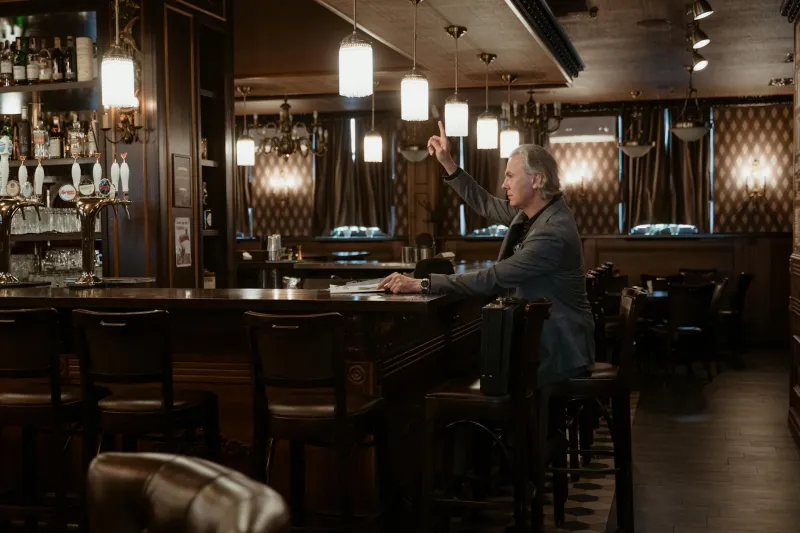
There's something beautifully chaotic about the British last orders ritual that no other drinking culture quite captures. That frantic dash to the bar at 10:55pm, the desperate wave of a tenner in the air, the collective groan when the bell rings – it's a nightly theatre that plays out across thousands of venues, creating moments of pure, unfiltered humanity.
But beyond the standard scramble lies a deeper folklore. These are the legendary last calls that became the stuff of local legend, the spontaneous lock-ins that stretched until sunrise, and the emotional final rounds that marked the end of an era.
When Time Stood Still
Ask any seasoned pub-goer about their most memorable last orders, and you'll hear stories that sound like urban myths but are absolutely, gloriously true. Take The Anchor in Rotherhithe, where a power cut in 2019 led to what regulars still call 'The Candlelight Sessions' – three hours of acoustic sing-alongs by flickering light after official closing time, with the landlord serving pints in the dark.
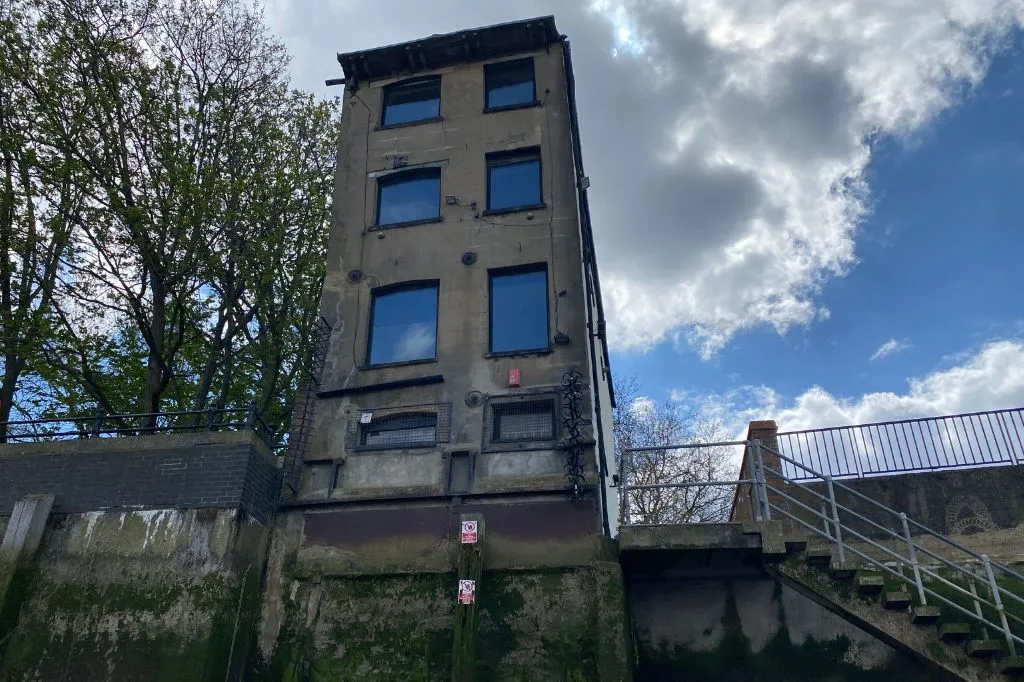 Photo: The Anchor in Rotherhithe, via wandlenews.com
Or the legendary lock-in at The George in Wapping that reportedly lasted 14 hours straight when a group of dock workers celebrating a retirement got snowed in during the Beast from the East. By morning, strangers had become family, phone numbers were exchanged, and at least two marriages can be traced back to that extended evening.
"The best nights always happen when the official night is supposed to end," explains Sarah Mitchell, who's been pulling pints across South London for over two decades. "There's something about that moment when the lights should go up that brings out people's real selves. The masks come off."
Farewell Rounds That Broke Hearts
Some last orders carry more weight than others. When The Joiners Arms in Hackney announced its closure in 2015, the final week became a pilgrimage site for London's LGBTQ+ community. The last orders on that final Sunday weren't just about getting one more pint – they were about preserving a piece of queer history that was about to disappear forever.
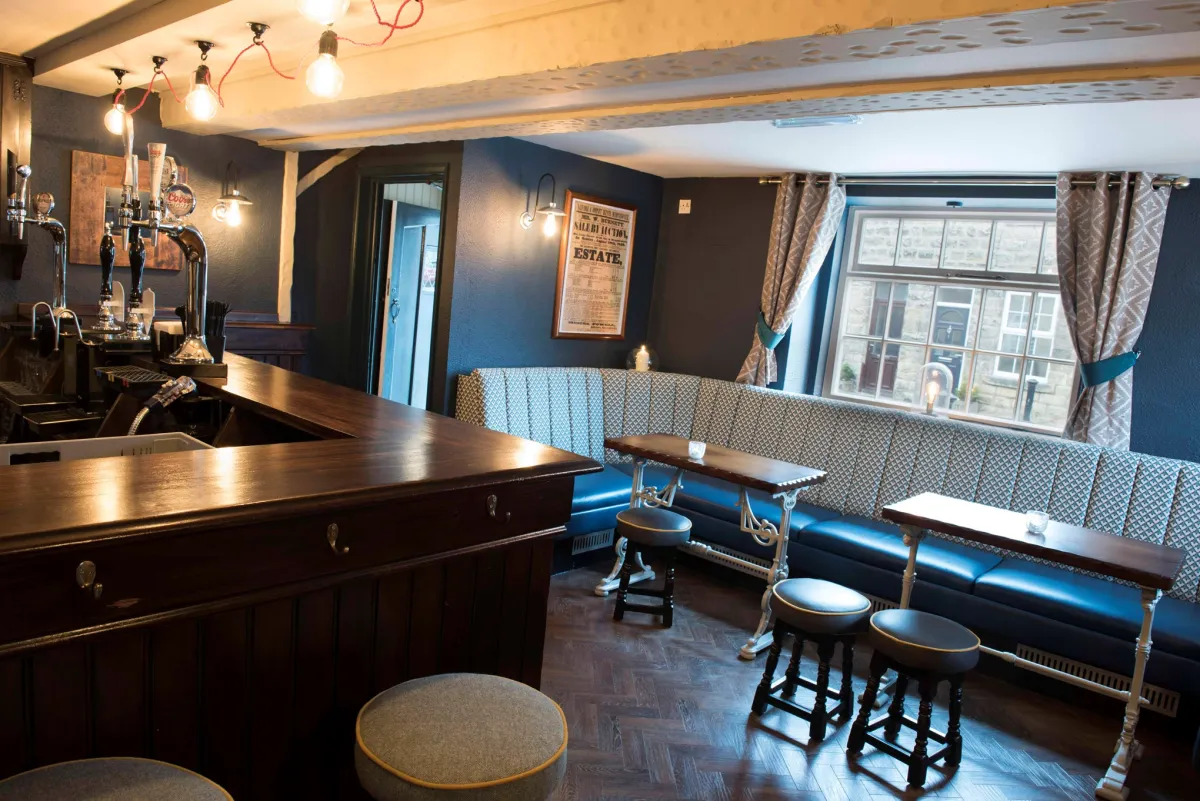 Photo: The Joiners Arms in Hackney, via images.cdn.inapub.co.uk
Regular patron James Henderson remembers the emotion in the room: "Everyone knew this wasn't just closing time, it was the end of something special. People were crying into their pints, but also celebrating everything that space had meant to us. The last bell rang, but nobody moved for about ten minutes. We just stood there, holding onto the moment."
Similar scenes played out at The Astoria before its demolition, at countless independent venues across Britain that fell victim to gentrification or economic pressure. These weren't just last orders – they were last rites for communities.
The Lock-In Legends
Every proper British boozer has its lock-in folklore, those magical extensions of time that happen when the chemistry in the room is too good to break. The Dog & Duck in Soho famously hosted Dylan Thomas for numerous after-hours sessions. The French House in Soho's lock-ins during the Blitz became legendary gathering points for the French Resistance.
 Photo: The French House in Soho, via soho-london.co.uk
More recently, The Hawley Arms in Camden became notorious for its celebrity lock-ins during the mid-2000s indie boom, with Amy Winehouse, Pete Doherty, and Kate Moss regularly staying until dawn. These weren't planned events – they were organic moments that happened when the energy was right and the landlord decided the night wasn't finished.
"A proper lock-in isn't about breaking licensing laws," insists Tony Brennan, who ran The Crown & Anchor in Brixton for 15 years. "It's about reading the room. Sometimes you can feel when a group of people aren't ready to return to the real world yet. Those are the nights that people remember forever."
Romance in the Rush
The psychology of last orders creates its own romantic opportunities. There's something about the artificial urgency, the shared experience of beating the clock, that breaks down social barriers. Dating apps might be efficient, but they'll never replicate the raw authenticity of two strangers bonding over the last pint at a busy bar.
Louise and Mark Thompson met during last orders at The Eagle in Clerkenwell in 2003. "We were both trying to order at the same time," Louise recalls. "Mark let me go first, then we ended up sharing a table because everywhere else was packed. We talked until they literally turned the lights on and off to get us to leave. Eighteen years later, we're still talking."
The Digital Age Difference
Social media has changed the last orders game. Instagram stories capture the chaos, group chats coordinate the final push to the bar, and everyone knows exactly when closing time hits thanks to their phones. But somehow, the fundamental human drama remains unchanged.
If anything, the digital age has made these unscripted moments more precious. In a world of curated experiences and planned events, the beautiful randomness of last orders feels increasingly rare.
Building Tomorrow's Legends
As Britain's nightlife evolves, new last orders legends are being written every night. The craft beer bars of Manchester, the cocktail lounges of Edinburgh, the independent venues fighting to survive in every city – they're all creating their own folklore, one final bell at a time.
Because ultimately, last orders isn't about alcohol – it's about time. It's about those stolen moments between the official end of the night and the actual end of the night, when real connections happen and ordinary evenings transform into stories worth telling.
Every night, somewhere across Britain, someone's having their legendary last orders moment. They just don't know it yet.