Guardians of the Night: The Doormen Keeping Britain's Nightlife Dreams Alive
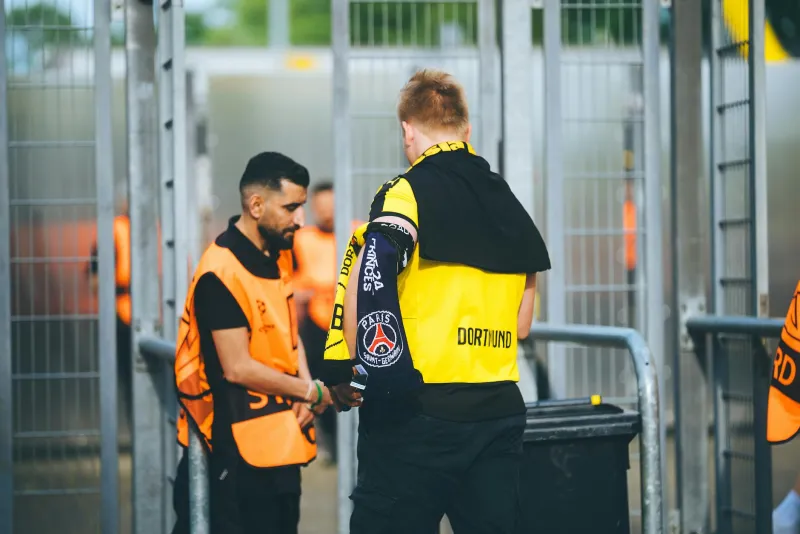
The Human Wall
Steve's been working doors in Birmingham for fifteen years, and he's seen everything twice. Standing at 6'4" with arms like tree trunks and a smile that could disarm a riot, he's the kind of bouncer who can make you feel simultaneously safe and slightly terrified. Tonight, like every Friday for the past decade, he's manning the entrance to one of the city's busiest clubs, conducting an invisible orchestra of human behaviour.
"People think we're just here to chuck out troublemakers," Steve explains during a rare quiet moment between waves of punters. "But really, we're reading a room before people even get in it. I can tell you within thirty seconds of someone walking up whether they're going to be sound all night or if they're going to kick off at 2am."
This is the untold reality of Britain's door staff – they're not just bouncers or security guards, they're amateur psychologists, crowd therapists, and the unsung architects of our nightlife experiences. Every weekend, they make split-second decisions that determine whether your night out becomes legendary or ends in disaster.
The Art of the Read
Across the country, from Glasgow's Merchant City to Brighton's seafront, door staff have developed an almost supernatural ability to assess human behaviour. It's a skill that combines street wisdom, professional training, and years of seeing humanity at its most uninhibited.
"You're looking for tells," explains Maria Santos, who works the door at a trendy Manchester cocktail bar. "How someone walks, how they talk to their mates, how they react when you ask for ID. A proper wrong'un will give themselves away before they've even opened their mouth."
The science behind this intuitive assessment is more sophisticated than most people realise. Modern door staff undergo extensive training in conflict de-escalation, drug recognition, and crowd psychology. But the real education happens on the job, where they develop an almost preternatural sense for trouble.
"I once stopped a lad at the door because something felt off," recalls Tony, a veteran doorman who's worked across London's West End for over two decades. "Couldn't put my finger on it – he was well-dressed, polite, had proper ID. But my gut said no. Found out later he'd been barred from every other club on the street for spiking drinks. Sometimes you just know."
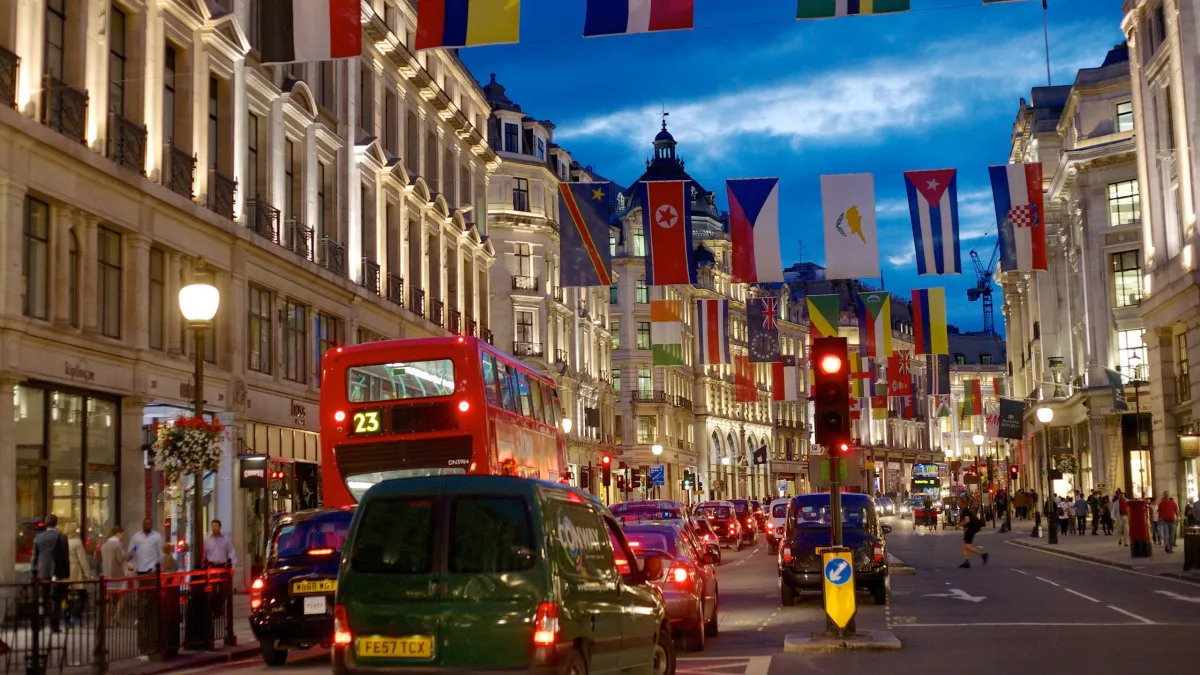 Photo: London's West End, via a.travel-assets.com
The Wildest Shifts
Ask any doorman about their craziest night, and you'll unlock stories that sound like rejected scripts from a surreal British comedy. There's the stag party that arrived dressed as the Teletubbies and spent the entire night trying to convince everyone they were the actual BBC cast. The woman who tried to smuggle her pet rabbit into a club in her handbag. The group of middle-aged accountants who started a conga line that somehow lasted four hours.
"New Year's Eve 2019, this couple turned up in full medieval costume," laughs Rachel, who works the door at a popular Leeds venue. "Not fancy dress – proper chainmail, swords, the works. Turned out they were historical re-enactors who'd got so into character they forgot to change before coming out. Lovely people, but trying to explain our weapons policy to a knight in shining armour was definitely a first."
But it's not all comedy gold. Door staff also serve as the first line of defence against the darker sides of nightlife – dealing with everything from aggressive drunks to serious criminal behaviour. They're trained to spot the signs of drink spiking, domestic violence, and drug dealing, often becoming informal social workers for people in crisis.
The Unwritten Rules
Every venue has its own culture, but certain universal truths govern door work across Britain. Respect goes both ways – treat door staff well, and they'll move heaven and earth to ensure you have a good night. Try to play games, and you'll find yourself on the wrong side of an immovable force.
"The golden rule is simple," says James, who manages door teams across several Newcastle venues. "Be sound to us, we'll be sound to you. Start acting the fool, and your night's over. We're not here to ruin your fun – we're here to make sure everyone gets to have theirs."
The relationship between door staff and regulars becomes almost familial over time. They remember your name, your usual drink order, and whether you're the type who needs looking after or the type who looks after others. This institutional memory is part of what makes British nightlife culture so uniquely community-focused.
Breaking the Stereotype
The image of the mindless muscle-bound bouncer is increasingly outdated. Today's door staff are more likely to have university degrees than criminal records, and many see the job as a stepping stone to careers in security, hospitality management, or law enforcement.
"I'm studying for my master's in criminology," reveals Sam, who works weekends at a Cardiff club to pay for his education. "This job has given me more insights into human behaviour than any textbook ever could. You see people at their most honest – alcohol doesn't lie."
The professionalisation of door work has been driven partly by stricter licensing requirements and insurance demands, but also by a growing recognition that good door staff are the foundation of successful venues. The best clubs and bars now compete for experienced teams, offering training, career progression, and recognition for skills that were once taken for granted.
The Psychology of Power
Working the door involves a complex psychological dance between authority and approachability. Door staff must project enough strength to deter trouble while remaining welcoming enough to create a positive atmosphere. It's a balance that requires emotional intelligence and situational awareness that would impress a diplomat.
"You're constantly code-switching," explains Dr. Michael Thompson, a sociologist who's studied nightlife culture extensively. "One moment you're being firm with someone who's had too much to drink, the next you're helping a nervous first-timer feel welcome. It requires incredible social skills."
The best door staff understand that their role extends far beyond security. They're ambassadors for the venue, counsellors for the distressed, and guardians of the collective good time. They can make or break the atmosphere before anyone even hears the music.
The Backbone of the Business
Venue owners increasingly recognise that exceptional door staff are worth their weight in gold. A good team can transform a struggling venue's reputation, while poor door management can kill even the best club.
"My door team are the most important employees I have," admits Sarah, who owns three bars across Liverpool. "They set the tone for everything that happens inside. I'd rather have average DJs and brilliant door staff than the other way around."
The economic impact is substantial. Door staff don't just prevent trouble – they actively contribute to revenue by creating environments where people want to spend money, return regularly, and recommend to friends.
After Hours Wisdom
As the night winds down and the last punters stumble into the dawn, door staff often find themselves in surprisingly philosophical moods. They've spent hours observing human nature in its rawest form, and the insights they've gained are both profound and practical.
"People think nightlife is about the music or the drinks or the dancing," reflects Steve as he locks up for another night. "But really, it's about connection. People come out to feel part of something bigger than themselves. Our job is to make sure that happens safely."
It's this understanding that separates great door staff from merely adequate ones. They recognise that they're not just gatekeepers – they're guardians of possibility, protectors of the magic that happens when strangers become friends and ordinary nights become extraordinary memories.
In a world where automation threatens many traditional jobs, the role of door staff remains irreplaceably human. No algorithm can read a crowd like an experienced doorman, no camera can provide the reassurance of a familiar face, and no security system can offer the kind of street wisdom that comes from years of managing the beautiful chaos of British nightlife.
They are the unsung heroes of our nights out, the first and last word in our clubbing adventures, and the guardians of dreams that unfold in the dark. Next time you nod to the doorman on your way in, remember: you're greeting one of the most skilled professionals in the nightlife industry, someone whose job is far more complex and crucial than most people will ever realise.