Zero Proof, Maximum Flavour: How Britain's Mocktail Masters Are Redefining the Night Out
The Alchemy of Abstinence
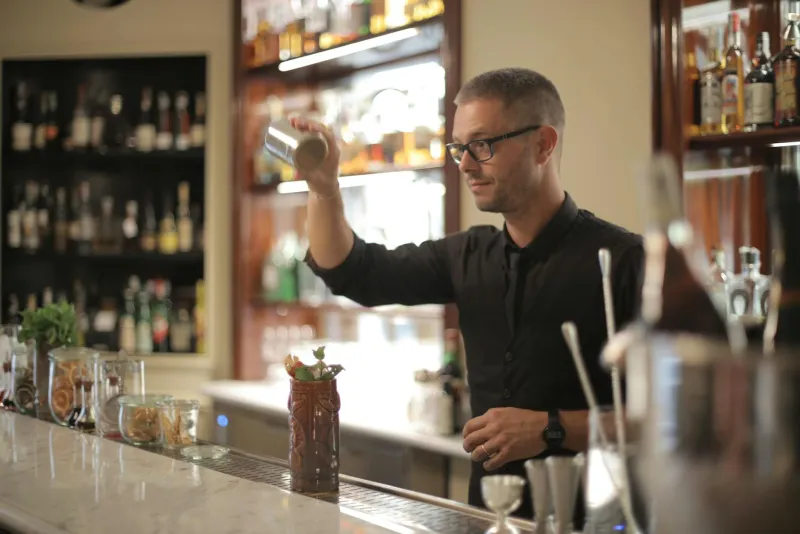
Behind the mahogany bar at London's acclaimed Seedlip House, mixologist Elena Vasquez is performing what looks like laboratory-grade chemistry. Smoke billows from a copper contraption, exotic botanicals steep in precisely temperature-controlled vessels, and what emerges is a drink so complex and sophisticated that you'll forget it contains zero alcohol – until you wake up tomorrow feeling human.
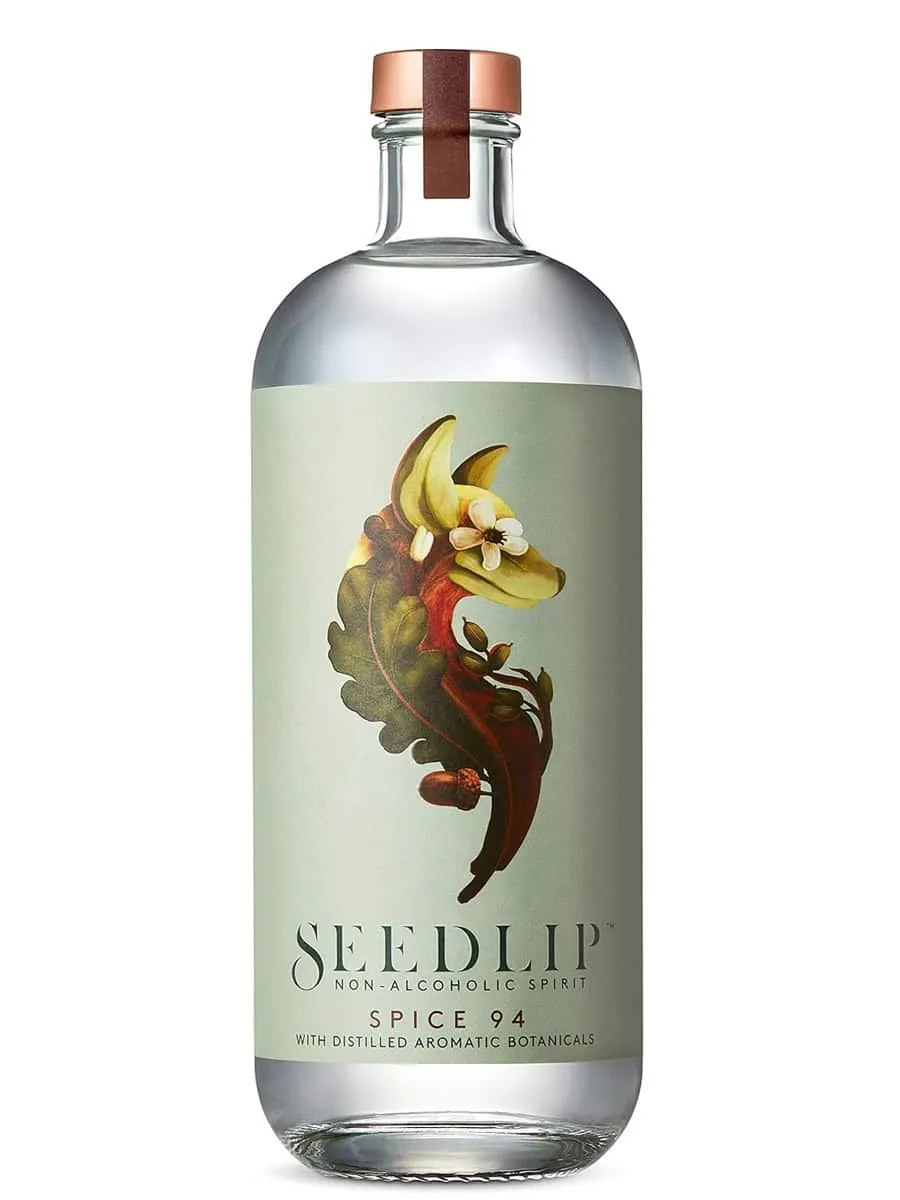 Photo: Seedlip House, via www.houseofmalt.co.uk
"The challenge isn't replacing alcohol," Elena explains, carefully garnishing her latest creation with dehydrated citrus and aromatic herbs. "It's building flavour complexity that justifies the £12 price tag and the two hours I spent developing this recipe."
Welcome to Britain's mocktail revolution, where abstinence meets artistry and going alcohol-free no longer means settling for a depressing orange juice and soda. From Manchester's Northern Quarter to Edinburgh's cocktail scene, a new generation of bartenders is proving that the most interesting drink in the room doesn't need to get you drunk.
Beyond Virgin Mojitos
The transformation has been rapid and comprehensive. Just five years ago, most British bars offered token alcohol-free options – usually variations on fruit juice or virgin versions of classic cocktails. Today, venues across the country are developing dedicated zero-proof menus that rival their alcoholic counterparts in creativity, presentation, and price point.
"We've moved way beyond 'take out the gin and add more mixer,'" says Marcus Chen, head bartender at Birmingham's innovative cocktail den, The Remedy Room. "We're talking about house-made shrubs, fermented fruit waters, complex spice blends, smoking techniques – the full arsenal of modern mixology applied to alcohol-free drinks."
 Photo: The Remedy Room, via theremedyroom.com
The numbers support the enthusiasm. Industry data shows that mocktail sales in British bars have increased by 230% over the past three years, with some venues reporting that alcohol-free drinks now account for up to 40% of their beverage revenue during peak hours.
The Science of Satisfaction
Creating a satisfying alcohol-free drink involves understanding what alcohol actually contributes beyond intoxication – body, warmth, complexity, and what bartenders call 'mouthfeel.' Innovative techniques are filling these gaps with remarkable creativity.
"Alcohol provides weight and texture," explains Dr. Sarah Mitchell, a food scientist who consults for several major UK bar groups. "We're using everything from kombucha cultures to create natural effervescence, to specific acid combinations that mimic the bite of spirits, to botanical extracts that provide the warming sensation people associate with alcohol."
Techniques borrowed from high-end gastronomy are becoming standard in ambitious mocktail programs. Clarification methods create crystal-clear drinks from murky ingredients, spherification adds textural surprise, and controlled fermentation develops complex flavours without significant alcohol content.
The Inclusion Revolution
Beyond the craft and creativity, Britain's mocktail boom represents something more significant – a fundamental shift toward inclusive nightlife culture. Designated drivers, pregnant women, people in recovery, and those simply choosing not to drink no longer face the social penalty of boring beverage options.
"It's about dignity," argues Rachel Thompson, who manages three cocktail bars across Leeds. "When someone orders an alcohol-free drink, they shouldn't feel like they're missing out or making do. Our zero-proof menu gets the same attention, the same presentation, the same respect as everything else we serve."
This inclusivity extends to pricing strategy. While some venues charge premium prices for complex mocktails, others are deliberately keeping alcohol-free options accessible, recognising that inclusive pricing supports inclusive culture.
Regional Flavour Profiles
Britain's mocktail scene is developing distinct regional characteristics that reflect local tastes and ingredients. Scottish bars are incorporating native botanicals like sea buckthorn and elderflower, Welsh venues are experimenting with seaweed and coastal herbs, and Northern English bars are embracing industrial-strength flavours that complement the region's robust food culture.
"We're not trying to copy London," says Cardiff-based mixologist James Evans, whose bar Botanist & Barrel has become a destination for alcohol-free drinkers across Wales. "We're using Welsh honey, local herbs, even some experimental fermented vegetables from nearby farms. The drinks tell a story about where you are."
 Photo: Botanist & Barrel, via images.squarespace-cdn.com
This regional approach is creating tourism opportunities. Alcohol-free bar crawls are emerging in major cities, with venues competing to offer the most innovative zero-proof experiences. Manchester's 'Dry Mile' tour now attracts visitors specifically seeking cutting-edge mocktails.
The Technology Factor
Advanced equipment traditionally reserved for high-end cocktail programs is becoming standard in mocktail creation. Rotary evaporators concentrate flavours without heat damage, ultrasonic baths extract essences from delicate ingredients, and precision fermentation systems create complex flavour profiles in controlled environments.
"The kit allows us to do things that were impossible even five years ago," explains Tom Rodriguez, whose London consultancy designs mocktail programs for major venue groups. "We can capture the essence of any ingredient, manipulate textures, create flavours that don't exist in nature. It's molecular gastronomy applied to alcohol-free drinks."
Some venues are taking this further, offering 'mocktail experiences' where customers can watch their drinks being created using theatrical techniques involving liquid nitrogen, dry ice, and aromatic presentations that engage all the senses.
The Business Case
From a commercial perspective, the mocktail boom makes compelling sense. Alcohol-free drinks typically have higher profit margins than alcoholic beverages, face fewer regulatory restrictions, and appeal to demographics that traditional bars often struggle to attract.
"Our busiest nights for mocktails are actually weeknights," reveals venue owner Patricia Walsh, whose three Manchester bars have all expanded their alcohol-free offerings significantly. "People want the social experience of going out without the next-day consequences. It's extended our customer base and increased midweek revenue substantially."
The trend is also attracting investment. Specialist alcohol-free spirits companies are partnering with venues to create exclusive products, and major drinks companies are developing premium non-alcoholic ranges specifically for the bar trade.
Cultural Shift
Perhaps most significantly, the mocktail revolution reflects broader changes in British drinking culture. Younger generations are drinking less alcohol overall, health consciousness is increasing, and social attitudes toward sobriety are shifting from sympathy to respect.
"Not drinking used to be something you had to explain or apologise for," observes cultural commentator Dr. Lisa Chen, whose research focuses on contemporary British social habits. "Now it's increasingly seen as a positive choice – better for health, better for productivity, better for authentic social connection."
As Britain's bar scene continues evolving, the mocktail has emerged not as a consolation prize for non-drinkers, but as a legitimate expression of craft, creativity, and inclusive hospitality. The revolution is just getting started.