When the Music Dies: Britain's Most Sacred Closing Time Ceremonies
When the Music Dies: Britain's Most Sacred Closing Time Ceremonies
There's a moment in every great British night out when reality comes crashing back. The house lights flicker on, revealing sticky floors and smudged makeup. The DJ's final track fades into silence. Suddenly, hundreds of strangers who've been dancing like family are blinking at each other under harsh fluorescents, wondering how they got here and where they're going next.
This is closing time in Britain – and it's far more than just chucking-out time. It's become a cultural phenomenon unto itself, complete with unwritten rules, emotional highs and lows, and rituals that vary dramatically depending on where you are and what kind of venue you're leaving behind.
The Great British Last Orders Scramble
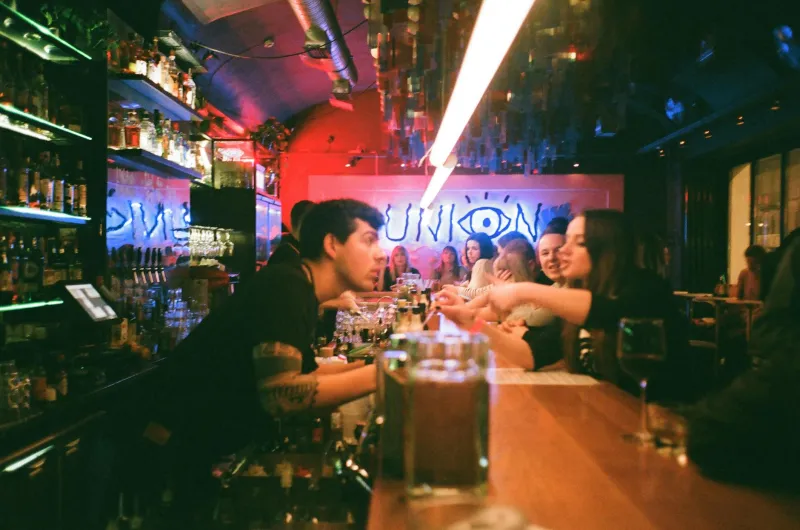
Walk into any traditional British pub at 10:45pm and you'll witness one of our most enduring closing time ceremonies. The bartender's call of "Last orders!" triggers something primal in the British psyche – a Pavlovian response that sees punters rushing to the bar like their lives depend on it.
"It's absolute carnage," laughs Sarah Chen, who's worked behind the bar at The George in Camden for eight years. "You'll have people who've been nursing a pint for two hours suddenly ordering four rounds. It's like they've forgotten how to count or tell time."
This scramble isn't just about alcohol – it's about extending the night, maintaining the magic for just a few more precious minutes. The ritual has remained largely unchanged since licensing laws first introduced the concept of closing time, creating a uniquely British relationship with the end of the evening.
Club Culture's Emotional Overload
Step into the world of club closing times, and the energy shifts dramatically. Here, 4am or 6am closures mean the night has already stretched into something mythical. The closing time ritual becomes less about alcohol and more about connection – those final moments when inhibitions have completely dissolved and strangers become best mates.
"There's something beautiful about those last thirty minutes in a club," says Marcus Rodriguez, a regular at Manchester's legendary Warehouse Project events. "Everyone's sweaty, exhausted, but nobody wants to leave. You're exchanging numbers with people you'll probably never see again, making promises to stay in touch. It's pure emotion."
Club staff know this phenomenon well. The gradual volume reduction, the slow fade of lights, the careful management of the crowd's energy as they guide hundreds of people from euphoria back to reality – it's an art form in itself.
Regional Variations in Farewell Culture
Closing time culture varies dramatically across Britain's regions. In Newcastle, the legendary early closing time of many venues has created a unique "toon army" mentality where entire crowds migrate from venue to venue throughout the night, each closure becoming a rallying cry rather than an ending.
Scotland's more relaxed licensing laws have created different rituals entirely. "In Glasgow, you get these beautiful extended goodbyes," explains venue owner Fiona MacLeod. "People aren't rushing because they know they can find another spot. It's more civilised, more social."
London's 24-hour licensing has created its own closing time subculture, where 6am closures at places like Fabric become legendary in themselves. The ritual here is about endurance – who can make it to the bitter end, and what stories will emerge from those final hours?
The Psychology of Ending
Dr. Helen Morrison, a social psychologist at Leeds University who studies nightlife behaviour, believes closing time rituals serve a deeper psychological purpose. "These moments create shared experiences and memories. The artificial deadline creates intensity – everything feels more meaningful when you know it's about to end."
This explains why closing time can be simultaneously the best and worst part of a night out. The euphoria of a perfect evening mixing with the melancholy of its inevitable conclusion creates an emotional cocktail that's uniquely potent.
Staff Stories from the Front Lines
Venue staff have the best view of closing time psychology. They've seen marriage proposals at last orders, witnessed friendships formed in final moments, and dealt with the tears that come when the night officially ends.
"You become part therapist, part bouncer, part friend," says James Wright, who manages security at a chain of Northern venues. "People are at their most vulnerable during closing time. They're tired, emotional, sometimes drunk – but also often at their most honest and open."
Bar staff develop their own coping mechanisms for the nightly emotional rollercoaster. Many describe the satisfaction of successfully guiding a venue full of people through the transition from night to morning, ensuring everyone leaves safely and with good memories.
Digital Age Disruptions
Modern technology has begun to change closing time rituals. Social media means the night doesn't truly end when you leave the venue – it continues online through photos, videos, and messages. Dating apps have changed the post-club scramble for phone numbers.
"Instagram stories have become part of the closing ritual," observes social media researcher Tom Phillips. "People are documenting these final moments, creating digital memories alongside the physical ones."
The Sacred Hour
Perhaps what makes British closing time culture so special is its democratic nature. Whether you're in a Wetherspoons in Wigan or a members' club in Mayfair, closing time creates a shared experience. The lights come up for everyone. The music stops for everyone. For a brief moment, social hierarchies dissolve and we're all just people who don't want the night to end.
These rituals matter because they mark transitions – not just from night to day, but from one version of ourselves to another. In those final moments, surrounded by strangers who feel like family, we're reminded of why we go out in the first place: for connection, for escape, for the simple human need to be part of something bigger than ourselves.
As the lights come up and the crowds disperse into the early morning streets, these closing time ceremonies ensure that every great night out ends not with a whimper, but with a ritual that's uniquely, beautifully British.