Standing Room Only: Why Britain's Gig Revolution Is All About Getting Sweaty Again
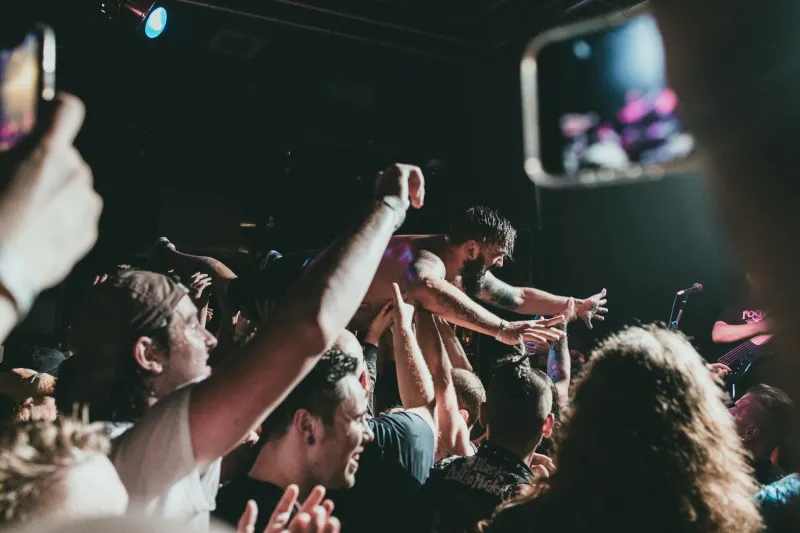
The Death of Polite Applause
Something fundamental has shifted in British gig culture, and you can feel it the moment you step into any decent standing venue across the country. Gone are the days when seeing live music meant finding your allocated seat, checking your phone between songs, and offering restrained applause at appropriate intervals. We're back to the primal basics: standing, sweating, and surrendering completely to the music.
"The seated gig killed something essential about live music," argues Priya Patel, who runs booking for several Manchester venues. "When you're sat down, you're an observer. When you're standing, crushed against the barrier with strangers becoming mates, you're part of the performance."
This isn't nostalgia talking – it's a genuine cultural shift that's reshaping how Britain experiences live music. From intimate basement clubs in Bristol to converted warehouses in Glasgow, standing venues are reporting unprecedented demand while traditional arena shows struggle to shift tickets.
The Mosh Pit Psychology
Dr. Rebecca Chen, a cultural anthropologist at Manchester University who studies live music behaviour, believes the standing gig revival taps into something deeper than musical preference.
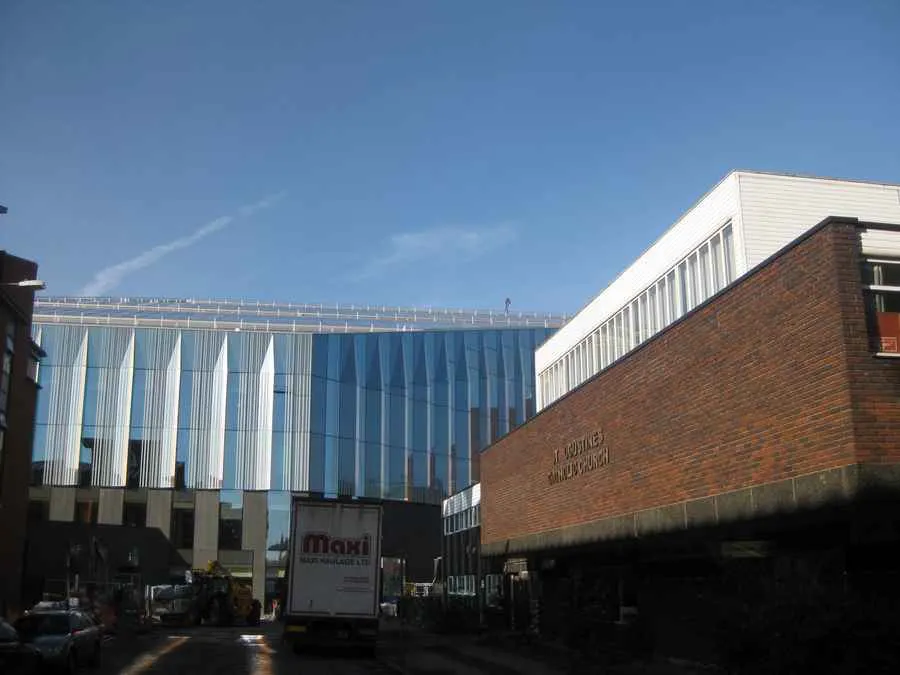 Photo: Manchester University, via www.e-architect.co.uk
"We've spent a decade curating our experiences through screens," she explains. "Every moment documented, filtered, optimised. The standing gig represents the opposite – pure, uncontrollable, communal experience that can't be replicated digitally."
The mosh pit becomes a laboratory for human connection. Strangers protect each other's phones, help people who fall, share water, and create temporary communities based on nothing more than shared musical ecstasy. It's tribal behaviour in the best possible sense.
"I've made some of my closest mates in mosh pits," says Cardiff student James Murphy, sporting bruises from last night's Idles show. "There's something about surviving that chaos together that bonds you instantly. You can't get that from a seated venue where everyone's politely clapping."
The Venue Revolution
Britain's music venues are responding to this demand with remarkable creativity. Traditional clubs are ripping out seating, warehouses are being converted into standing-only spaces, and promoters are actively seeking venues that prioritise intimacy over capacity.
The Garage in London, O2 Academy venues across the country, and independent spots like Liverpool's Arts Club are all reporting that their standing shows consistently outsell seated events. The numbers don't lie – punters are voting with their feet, literally.
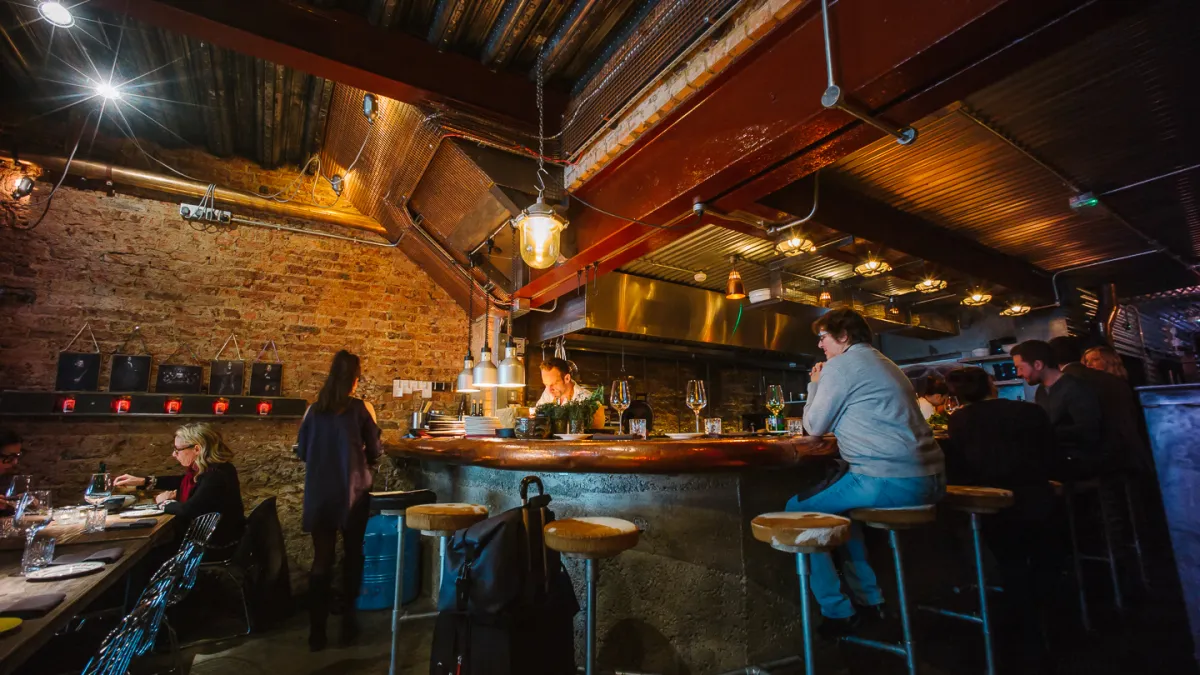 Photo: The Garage in London, via londoneater.com
"We tried mixed standing and seating for a while," explains venue manager Sarah Collins from a prominent Birmingham venue. "But the energy was always better in the standing sections. Eventually, we realised we were fighting against what people actually wanted."
The acoustic benefits are undeniable too. Standing crowds create better sound dynamics – bodies absorb and reflect frequencies differently than empty seats, creating a richer, more immersive audio experience that both artists and audiences notice immediately.
Artists Embrace the Chaos
Musicians themselves are driving this change, actively seeking venues and tours that prioritise connection over convenience. The feedback loop between performer and standing audience creates an energy that's impossible to replicate in seated venues.
"You can feel the difference immediately," says indie band frontman Alex Turner (not that one – this Alex fronts Wolverhampton's rising stars The Midnight Runners). "Standing crowds move with the music, they sing louder, they react more honestly. It makes us play better, which makes them respond more, which creates this incredible cycle."
Major artists are increasingly bypassing arena tours in favour of multiple nights at smaller, standing venues. The economics work better too – intimate shows command premium prices while creating the authentic experiences that build genuine fanbases rather than casual ticket buyers.
The Sweat Equity Economy
There's an authenticity currency at play here that goes beyond simple nostalgia. In an era of Instagram-perfect experiences and manufactured moments, the standing gig offers something genuinely uncontrollable and real.
"You can't fake the energy of a proper standing show," observes music journalist and longtime scene veteran Katie Williams. "Either the crowd's with you or they're not. Either the music moves people or it doesn't. There's nowhere to hide, no comfortable distance between artist and audience."
The physical discomfort becomes part of the experience – earning your musical moments through crushed toes, beer-soaked clothes, and ringing ears. It's sweat equity in the most literal sense, where the investment of physical presence pays dividends in emotional connection.
Technology Meets Tradition
Interestingly, this analogue revival is being supported by digital innovation. Apps help fans find others attending the same gigs, venues use technology to manage queues and safety more effectively, and social media actually enhances the communal experience by connecting people before and after shows.
"The tech doesn't replace the experience – it amplifies it," notes digital culture expert Tom Harrison. "People use Instagram to find gig buddies, WhatsApp to coordinate meet-ups, and TikTok to share moments. But when the lights go down, phones go away and it's pure human connection."
The Future Is Vertical
This movement shows no signs of slowing. New venues opening across Britain are prioritising standing capacity, existing spaces are reconfiguring layouts, and festival organisers are noting the increased demand for intimate stage experiences over massive main stage spectacles.
The implications go beyond music. Comedy clubs, spoken word venues, and even some theatre spaces are experimenting with standing formats, recognising that audience engagement changes fundamentally when physical comfort is sacrificed for communal energy.
"We're not anti-comfort," clarifies venue owner Marcus Reid, whose three Liverpool spaces have all transitioned to standing-focused layouts. "We're pro-connection. And sometimes the best connections happen when you're slightly uncomfortable, slightly out of control, slightly more alive than usual."
As Britain's gig culture continues evolving, one thing's certain – we're standing up for what matters. Literally.