The Silence Before the Storm: How Britain's Music Pub Dynasty Is Fighting for Survival
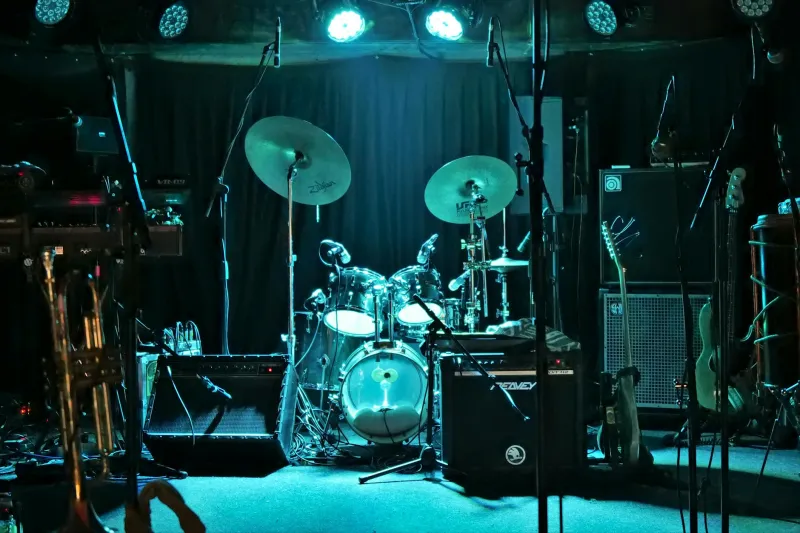
When the Last Guitar Falls Silent
The Cavern Club might have the Beatles, but it's the Dog & Duck in Stoke, the Railway Inn in Winchester, and hundreds of other unsung venues across Britain where real magic happens every night. These aren't your Instagram-perfect cocktail bars or sleek superclubs – they're the gloriously imperfect spaces where legends are born, dreams are shattered, and communities gather around the universal language of live music.
But here's the brutal truth: they're disappearing at an alarming rate.
The Perfect Storm Brewing
Every week brings fresh casualties. The Joiners Arms in Southampton, where Radiohead once played to 47 people, recently announced its closure after a 40-year run. The reason? A toxic cocktail of soaring rents, bureaucratic red tape, and noise complaints from residents who moved next to a music venue then complained about... music.
"We're not just losing venues," says Marcus Thompson, landlord of The Wheatsheaf in Oxford, which has hosted everyone from Foals to Glass Animals. "We're losing the entire ecosystem that creates British music. These aren't just pubs – they're cultural incubators."
The numbers paint a grim picture. Music Venue Trust data shows the UK has lost 35% of its grassroots music venues since 2010. That's not just statistics – that's 35% fewer opportunities for the next Arctic Monkeys, Kasabian, or Royal Blood to cut their teeth.
The Bureaucratic Nightmare
Navigating the licensing maze has become a full-time job. Venue owners speak of drowning in paperwork, facing astronomical insurance premiums, and dealing with council noise officers who treat live music like a public nuisance rather than cultural heritage.
"I spend more time filling out forms than I do actually running the venue," admits Sarah Mitchell, who's operated The Black Swan in Leeds for 15 years. "The licensing conditions are so restrictive now that we can barely function as a live venue. It's death by a thousand cuts."
Meanwhile, property developers circle like vultures, eyeing these often prime locations for luxury flats. The irony? Many of these developments later struggle with noise from nearby venues – the same venues they helped push towards closure.
The Community Strikes Back
But this isn't just a story of decline. Across Britain, passionate communities are fighting back with everything from crowdfunding campaigns to community buyouts.
Take The Windmill in Brixton, saved by a £270,000 community effort after facing closure in 2018. Or The Lexington in King's Cross, which transformed from a struggling pub into a thriving music venue through sheer bloody-mindedness and community support.
"The key is making people understand what they'll lose," explains Tim Perry, who led the campaign to save The Louisiana in Bristol. "It's not just about preserving a building – it's about preserving culture, community, and opportunity."
Where Dreams Take Flight
These venues aren't just about the big success stories. They're about the 17-year-old with a guitar who gets their first taste of performing to strangers. They're about the middle-aged office worker who rediscovers their passion through an open mic night. They're about the local scene that develops its own unique sound away from London's homogenising influence.
"Every major British band started somewhere small," notes music journalist Helen Roberts. "Remove these stepping stones, and you don't just lose venues – you lose the entire pathway from bedroom to Glastonbury."
The Ripple Effect
The closure of a live music venue sends shockwaves far beyond the music community. Local economies suffer as pre-gig meals and post-show drinks disappear. Sound engineers, lighting technicians, and security staff lose work. The social fabric of neighbourhoods begins to fray.
"These venues are community centres that happen to serve beer," argues local councillor James Wright. "They're where people meet, where relationships form, where culture happens. Lose them, and you lose something irreplaceable."
Fighting for the Future
Some venues are adapting with creative solutions. The Deaf Institute in Manchester diversified into comedy and club nights. Others have embraced daytime events, acoustic sessions, and even yoga classes to keep the lights on.
Government support exists – the Music Venues Trust's £2.25 million Emergency Response Fund has helped dozens of venues survive recent crises. But campaigners argue it's nowhere near enough.
The Sound of Tomorrow
As we stand at this crossroads, the question isn't whether Britain will continue producing world-class music – it's whether we'll maintain the grassroots infrastructure that makes it possible. Every venue saved is a victory not just for music lovers, but for the soul of British culture.
The next time you're choosing between a chain bar and that slightly scruffy pub with a tiny stage, remember: you're not just deciding where to spend your Friday night. You're voting for the future of British music.
Because when the last guitar falls silent in Britain's music pubs, we won't just lose venues – we'll lose a piece of ourselves.