Sacred Spaces: Inside the Hallowed Halls Where UK Clubbing Culture Was Born
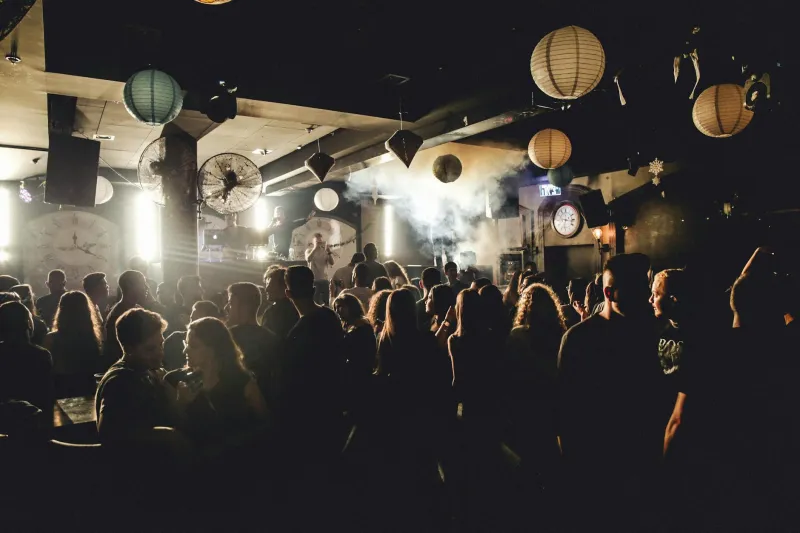
There's something almost religious about stepping into certain clubs for the first time. That moment when the bass drops, the lights hit just right, and you realise you're not just in a venue – you're in a piece of living history. These aren't just buildings with sound systems; they're cultural institutions that have shaped the way Britain moves, grooves, and loses itself in music.
The Underground Cathedral: Fabric's Concrete Symphony
Fabric isn't just a club – it's a pilgrimage site. Nestled beneath the streets of Farringdon, this concrete cathedral has been the beating heart of London's electronic scene since 1999. What makes Fabric legendary isn't just its world-class sound system (though those body-shaking subs in Room One are genuinely life-changing), it's the venue's unwavering commitment to musical integrity.
"Walking into Fabric for the first time was like discovering a secret society," recalls Sarah, a regular since 2003. "The way the music just envelops you – you don't just hear it, you become part of it."
The venue's reputation was built on its willingness to champion underground artists alongside established names. DJs like Craig Richards have become synonymous with the space, crafting sets that flow like liquid concrete through the venue's multiple rooms. Even after temporary closure battles and licensing disputes, Fabric's resurrection proved that some institutions are simply too vital to lose.
Industrial Revolution: The Printworks Phenomenon
If Fabric is clubbing's underground cathedral, Printworks is its industrial temple. This former printing press in Surrey Quays has redefined what a club venue can be. The sheer scale of the space – with its 30-foot ceilings and aircraft hangar proportions – creates an atmosphere that's part warehouse rave, part art installation.
"Printworks changed everything," explains promoter Marcus Chen. "It proved that clubbing could be theatrical, immersive, and still maintain that raw energy that makes British nightlife special."
The venue's rotating room configurations keep even seasoned clubbers on their toes. One night you might find yourself in an intimate setting with 1,000 people; the next, you're part of a 5,000-strong crowd witnessing something that feels more like a sonic cathedral service than a typical night out.
Northern Soul: Manchester's Warehouse Legacy
Up in Manchester, the ghost of the Haçienda still haunts the city's clubbing DNA. Though the legendary venue closed in 1997, its influence permeates every warehouse conversion and industrial space that followed. The Factory Records connection created a template that Manchester venues still follow: raw spaces, cutting-edge music, and an atmosphere that's equal parts hedonistic and intellectual.
Today's Manchester scene builds on that foundation. Venues like Albert Hall and Gorilla carry forward the city's tradition of transforming unlikely spaces into musical sanctuaries. The converted church of Albert Hall, with its stunning stained glass and original organ pipes, creates an almost surreal backdrop for contemporary electronic music.
Bristol's Bass Cathedral: Motion's Raw Energy
Down in Bristol, Motion represents everything that makes UK clubbing culture unique. This former skate park turned superclub embodies the DIY spirit that defines British nightlife. With its multiple rooms, outdoor terraces, and deliberately rough-around-the-edges aesthetic, Motion feels like clubbing's answer to punk rock.
"Motion doesn't try to be pretty," says DJ and Bristol native Emma Rodriguez. "It's raw, it's real, and it connects you to something primal. That's what British clubbing should feel like."
The venue's commitment to bass-heavy genres – from drum and bass to dubstep to UK garage – reflects Bristol's role as a breeding ground for electronic music innovation. When you're standing in Motion's main room at 3am, surrounded by concrete walls and pounding bass, you're not just partying – you're participating in a cultural tradition.
The DNA of Legendary Status
What transforms a venue from mere entertainment space to cultural institution? It's a combination of factors that can't be manufactured or forced. The architecture matters – these spaces often inhabit buildings with previous lives, carrying history in their walls. The sound systems are crucial, designed not just for volume but for clarity and emotional impact.
Most importantly, it's the community that forms around these venues. Regular attendees become part of an extended family, united by shared musical experiences and collective memories. These clubs become more than entertainment venues – they're social hubs, cultural centres, and sometimes the only spaces where certain communities feel truly accepted.
Keeping the Legacy Alive
As property prices soar and noise complaints multiply, protecting these cultural institutions becomes increasingly vital. Each venue that closes takes with it decades of musical history and community connection. The clubs that survive do so by adapting while maintaining their core identity – upgrading sound systems, improving facilities, but never losing sight of what made them special in the first place.
These legendary venues didn't become icons overnight. They earned their status through years of consistent programming, community building, and unwavering commitment to musical excellence. They're proof that in an increasingly digital world, nothing can replace the magic of human beings gathering in a room to lose themselves in music together.
Whether you're a seasoned clubber or someone just discovering the scene, these venues offer more than just a night out – they offer connection to something larger than yourself, a chance to be part of British clubbing's ongoing story.