Return of the Warehouse: How Britain's Underground Rave Renaissance Is Rewriting the Rules
The Ghost Frequencies Are Back
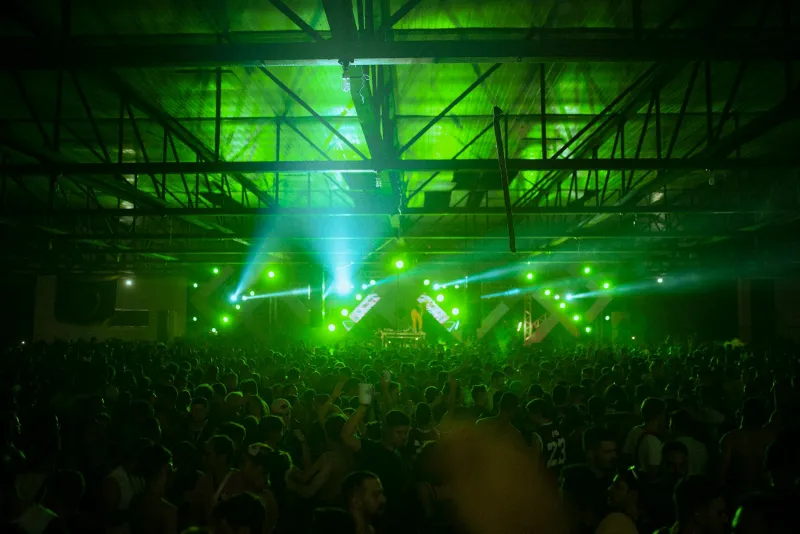
It's 3am on a rain-soaked Saturday in Greater Manchester, and somewhere in an abandoned textile factory, 800 people are losing their minds to a sound system that could wake the dead. No door tax, no VIP areas, no overpriced drinks – just pure, unfiltered hedonism that would make the Haçienda generation weep with pride.
Welcome to Britain's illegal rave renaissance.
When Legal Became Boring
While licensed venues squeeze every penny from punters with £15 cocktails and corporate-sponsored DJ sets, a growing underground movement is saying 'sod that' and taking matters into their own hands. These aren't your stereotypical crusty ravers from the '90s – this is a new breed of party architects, armed with encrypted apps and an unshakeable belief that nightlife should be about community, not profit.
"Licensed clubs have become soulless money-making machines," explains Jake (not his real name), a 24-year-old event organiser from Birmingham who's been running illegal parties for three years. "You pay £25 to get in, £8 for a pint, and dance to the same commercial house music you hear everywhere else. Where's the magic in that?"
The New Underground Railroad
Forget Facebook events and Eventbrite listings. Today's rave scene operates through a sophisticated network of encrypted messaging groups, burner phones, and word-of-mouth that would impress MI5. Locations are revealed hours before kickoff, often through cryptic clues that send crews scrambling across motorways to reach remote warehouses, abandoned buildings, or farmers' fields.
The process is part treasure hunt, part pilgrimage. "Getting there is half the experience," laughs Emma, a 22-year-old from Leeds who's become something of a rave detective. "You'll get a message saying 'follow the M62 to junction 25, look for the blue van, ask for Sarah.' It's like being in a spy film, but with better music."
Digital Rebellion
Social media plays a crucial role, but not how you'd expect. Instead of public promotion, organisers use private Telegram channels, Signal groups, and even TikTok's direct messaging to build their audiences. The more exclusive the list, the more coveted the invitation.
"We're not trying to pack out Wembley Stadium," explains Marcus, who runs illegal techno nights across the North West. "We want the right people – the ones who understand what we're trying to create. Quality over quantity, always."
Cat and Mouse in the Digital Age
The relationship between organisers and authorities has evolved into a sophisticated game of digital hide-and-seek. Police forces have dedicated teams monitoring social media for illegal gatherings, while ravers use increasingly creative methods to stay under the radar.
Some organisers now use location-spoofing apps, fake event names, and multiple decoy announcements to throw authorities off the scent. Others have developed networks of spotters who monitor police radio frequencies and social media for signs of incoming raids.
"It's become an art form," admits one veteran organiser who's been running parties since the original acid house era. "The technology's different, but the spirit's exactly the same – outsmart the system, create something beautiful, then vanish without a trace."
The Sound of Freedom
Musically, these events are light years ahead of mainstream club culture. Without the commercial pressures of licensed venues, DJs can experiment with harder, weirder, more challenging sounds. Sets stretch for hours, building and releasing tension in ways that 90-minute club slots simply don't allow.
"The music policy is simple: no commercial bollocks," grins DJ Phantom (again, not his real name), who's become legendary on the Manchester underground circuit. "We play what moves us, not what Radio 1 tells us is cool. Sometimes that means six-hour ambient sets, sometimes it means hardcore gabber that would clear any normal dancefloor."
Community Over Commerce
What strikes visitors most isn't the music or the locations – it's the atmosphere. Without profit motives driving every decision, these events foster genuine community spirit that's been sanitised out of commercial clubbing.
"Everyone looks after everyone," explains Lisa, a regular at London's underground scene. "If someone's too wasted, people help. If someone needs water, it appears. There's no aggro, no posturing – just people united by music and the shared thrill of doing something slightly naughty."
The Authorities Fight Back
Police forces across Britain are taking the resurgence seriously, with some areas reporting illegal rave numbers not seen since the late '80s. Operation Metaphor in the West Midlands specifically targets unlicensed music events, while forces in Essex and Kent have invested in drone technology to locate remote gatherings.
"These events pose significant risks to public safety," argues Chief Inspector Sarah Williams of Greater Manchester Police. "No security, no crowd control, no medical facilities – it's a recipe for disaster."
But ravers argue that self-policing and community responsibility create safer environments than many licensed venues. "I've never seen a fight at an illegal rave," claims Tom, a regular on the Yorkshire circuit. "Everyone's too loved up and the vibe's too positive."
Beyond the Hype
This isn't just about nostalgia or rebellion – it's about reclaiming nightlife from corporate control. As city centres become increasingly sanitised and venues face mounting pressure from licensing authorities and developers, the underground offers an alternative vision of what clubbing could be.
"We're not anti-establishment just for the sake of it," insists Jake. "We're pro-community, pro-music, pro-having a bloody good time without being ripped off. If that makes us criminals, so be it."
The Future Underground
As the scene grows, questions arise about its sustainability. Can this movement maintain its grassroots spirit as it attracts larger crowds? Will increased police attention drive it further underground or force it to legitimise?
For now, the rave renaissance shows no signs of slowing. Every weekend, across Britain's abandoned buildings and empty fields, a new generation discovers the intoxicating freedom of dancing until dawn to music that matters, surrounded by people who get it.
The revolution might not be televised, but it's definitely soundtracked – and it's happening right under our noses.