Night Moves: Mastering the Mad Dash Home After Britain's Biggest Nights Out
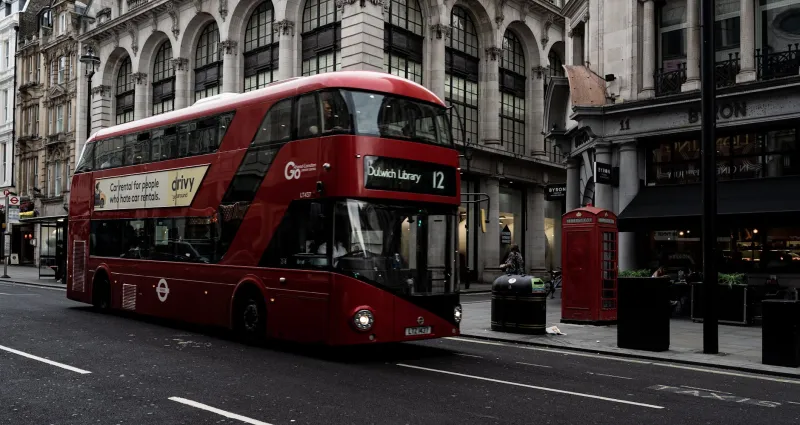
The Great British Exodus
It's 3:47 AM on a Saturday night, and across Britain, a familiar ritual is unfolding. Club doors are swinging shut, bouncers are crossing their arms for the final time, and thousands of revellers are suddenly faced with the same existential question: how the bloody hell do I get home?
Welcome to Britain's most chaotic democracy – the post-club transport scramble. It's a world where a taxi queue becomes a social experiment, where the night bus transforms into a moving festival, and where the last train home carries more drama than a soap opera finale.
From the neon-soaked streets of Soho to the cobbled chaos of Newcastle's Bigg Market, the journey home after a proper night out has become an art form unto itself. And like any great British tradition, it comes with its own unwritten rules, tribal hierarchies, and legendary tales of survival.
The Tube Testament
London's Night Tube has revolutionised the game, but it's also created entirely new battlegrounds. The Victoria Line at 4 AM isn't just transport – it's a mobile museum of the capital's nightlife. Here, you'll witness the full spectrum of London's party ecosystem: the City boys clutching their loosened ties, the Shoreditch creatives debating whether that last pint was necessary, and the eternal optimists still trying to keep the party alive in a carriage that smells suspiciously of kebab and regret.
The unspoken etiquette is sacred: offer your seat to anyone more wasted than you (which, let's be honest, is usually someone), don't judge the person eating a full roast dinner from a takeaway container, and absolutely never, ever mention work on Monday morning.
But London's just the beginning. Every major British city has perfected its own version of this beautiful chaos.
Northern Exposure
Up in Manchester, the post-club migration from the Northern Quarter to everywhere else resembles something between a pilgrimage and a conga line. The queues outside Piccadilly Station tell stories of conquest and defeat, of legendary nights at Warehouse Project and intimate sessions that ended up being anything but intimate.
Newcastle takes it to another level entirely. The legendary 'Toon Army' doesn't just conquer football stadiums – they've mastered the art of the post-Bigg Market exodus with military precision. The Metro becomes a rolling celebration, complete with impromptu singing competitions and the kind of camaraderie that would make international diplomats weep with envy.
The Sacred Rituals
Every seasoned night owl knows the rules. First: the Great Phone Check. This involves frantically scrolling through your device to piece together the evening's events through a haze of blurry photos and messages that seemed hilarious four hours ago but now read like ancient hieroglyphics.
Second: the Sustenance Strategy. Whether it's a steaming bag of chips, a questionable kebab, or that mysterious late-night pizza slice that tastes like heaven at 4 AM but would horrify you at any other hour, proper fuel is essential for the journey ahead.
Third: the Transport Triage. This is where experience separates the veterans from the rookies. Do you brave the night bus with its carnival atmosphere and unpredictable timeline? Risk the last train with its potential for both swift victory and devastating defeat? Or enter the blood sport that is surge-pricing Uber roulette?
Regional Specialities
Glasgow's night buses have achieved legendary status. They're not just transport – they're rolling community centres where strangers become best friends, where philosophical debates rage over the merits of different chip shops, and where someone inevitably starts singing 'Sweet Caroline' with the enthusiasm of a stadium crowd.
Birmingham's approach is more pragmatic but no less entertaining. The queues outside New Street Station become impromptu networking events where ravers exchange Instagram handles and debate the merits of different venues with the passion of wine connoisseurs.
Edinburgh, meanwhile, has perfected the art of the dignified stumble. Even three sheets to the wind, there's something distinctly civilised about the post-club procession through the Old Town, though the cobblestones have claimed more high heels than any battlefield.
The Unsung Heroes
Let's raise a glass to the night shift warriors who make it all possible. The bus drivers who've seen everything and judge nothing. The train guards who somehow maintain their sanity while herding cats in human form. The taxi drivers who've become unofficial therapists, relationship counsellors, and occasionally, emergency pizza delivery coordinators.
These are the people who keep Britain's night economy moving, literally. They're the reason thousands of punters can venture out knowing that, somehow, some way, they'll make it home with stories to tell and memories to treasure (or try to forget).
Survival Strategies
The veterans have developed foolproof systems. Download offline maps (because 4 AM is when your phone decides to die). Keep emergency cash (because card readers have a mystical ability to break down at closing time). Master the art of comfortable shoe storage (those heels that seemed like a good idea at 9 PM are instruments of torture by 3 AM).
Most importantly, embrace the chaos. The post-club journey isn't just about getting from A to B – it's the final act of your night out, the decompression chamber between the madness and Monday morning.
The Morning After
By dawn, the transport networks return to their daytime personalities. The night buses resume their mundane routes, the trains fill with commuters who have no idea of the adventures their carriages hosted just hours before. But for those who lived through the chaos, who survived the Great British Transport Lottery, there's a special bond – a shared understanding that transcends postcodes and social circles.
Because at the end of the day (or the beginning of the morning), we're all just trying to get home after a brilliant night out. And in Britain, that journey is half the adventure.