The Midnight Assembly: Meet the Festival Architects Who Build Dreams From Scratch
The Dawn Patrol
It's 4:30am on a Tuesday morning in a muddy field outside Glastonbury, and while most of Britain is still wrapped up in their duvets, Danny Morrison is already three cups of tea deep into what will become a 16-hour shift. Around him, a small city is rising from nothing - towering steel structures that will soon pulse with bass drops and crowd roars, but right now exist only as blueprints and pure determination.
"People see the finished product and think it's magic," Danny grins, adjusting his hard hat as a crane swings overhead. "But there's nowt magical about hauling a two-tonne speaker rig up a 40-foot scaffold at half past five in the morning."
Danny's been building Britain's biggest festival stages for over fifteen years, part of a tight-knit community of riggers, sound engineers, and stage technicians who live their lives in constant motion - chasing the festival circuit from Reading to T in the Park, Latitude to Download, transforming empty spaces into the sonic cathedrals where our summer memories are made.
The Invisible Army
What most festival-goers never realise is the sheer scale of human effort that goes into creating their weekend paradise. Take Glastonbury's Pyramid Stage - that iconic structure requires a crew of over 200 specialists working round the clock for three weeks straight. Every bolt, every cable, every light needs to be perfectly positioned by hands that know their craft inside out.
"It's like building a small town from scratch, then tearing it down and doing it all over again somewhere else," explains Sarah Chen, a lighting designer who's been part of the festival circuit for a decade. "The logistics are absolutely mental when you stop and think about it."
Sarah's responsible for programming the light shows that'll accompany headliners, but right now she's knee-deep in the unglamorous reality of cable management and power distribution. Her team will install over 15 miles of electrical cable for a single main stage setup - enough to wire up a decent-sized village.
Brotherhood of the Build
What strikes you immediately when you spend time with these crews is the camaraderie. This isn't just a job - it's a lifestyle that attracts a particular breed of person. The kind who thrives on the controlled chaos of turning impossible deadlines into reality, who finds satisfaction in solving problems that would make most people's heads spin.
"We're like a travelling circus," laughs Mick Thompson, a veteran sound engineer whose weathered hands have rigged systems for everyone from Arctic Monkeys to Stormzy. "Same faces, different field. We know each other's families, we know who takes sugar in their tea, we know exactly who you want on your crew when the weather turns nasty."
That family atmosphere becomes crucial when you're working 14-hour days in all weathers. British festivals mean British weather, and these crews have learned to work through everything from scorching heat waves to torrential downpours that turn construction sites into quagmires.
The Art of Controlled Chaos
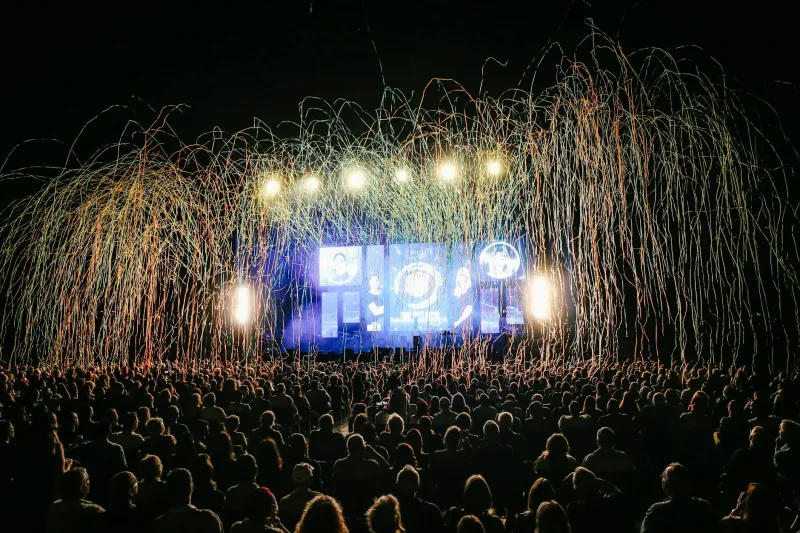
Watching a festival stage come together is like witnessing organised chaos in its purest form. Multiple crews work simultaneously - riggers hanging speaker clusters while electricians run power feeds, carpenters building barriers while video technicians test massive LED screens. Every trade dependent on the others, every delay potentially catastrophic.
"The pressure's immense," admits Tom Bradley, a project manager who coordinates the build for several major UK festivals. "You've got artists' management breathing down your neck, health and safety inspectors watching every move, and punters who've paid good money expecting perfection. There's no room for 'nearly right' when you're dealing with structures that'll hold thousands of people."
Yet somehow, it always comes together. The final 48 hours before gates open are particularly intense - a blur of last-minute adjustments, sound checks, and safety inspections that determine whether months of planning pay off.
Beyond the Glamour
For all the excitement of working at Britain's most iconic music events, this is physically demanding, often dangerous work. Riggers spend their days at height in all weather conditions. Sound engineers lug equipment that would challenge professional weightlifters. Everyone works shifts that would make junior doctors wince.
"My missus thinks I'm mad," chuckles Danny, taking a brief break as his crew positions another section of staging. "Missing family barbecues to build stages for other people's parties. But when you see 50,000 people losing their minds to a band you've helped put on that stage... there's nothing quite like it."
The pay reflects the skill and commitment required - experienced festival technicians can earn more in a summer season than many office workers make in a year. But it's not really about the money for most of them.
The Moment of Truth
Come opening day, when the first punters stream through the gates, these unsung heroes largely disappear into the background. They'll spend the weekend monitoring, adjusting, and maintaining the infrastructure they've created, but the spotlight belongs to the artists and the audience.
"That's exactly how it should be," Sarah reflects, watching the sun set behind the main stage they've just finished rigging. "We're not here to be seen. We're here to make sure everything works perfectly so everyone else can have the time of their lives."
As the first sound check echoes across the empty field, you can see the satisfaction in every crew member's face. Another impossible deadline met, another stage ready to host the soundtrack to thousands of people's summers.
Next week, they'll be somewhere else entirely, doing it all over again. Because Britain's festival season never really stops - it just moves from field to field, carried forward by the midnight assembly crews who build our dreams from scratch, one bolt at a time.