The Northern Revolution: How Manchester Became Britain's Undisputed Nightlife Champion
The Crown Has Moved North
Forget everything you think you know about British nightlife hierarchy. While London's scene stagnates under sky-high rents and corporate sanitisation, Manchester has been busy crafting something genuinely electric. This isn't just northern bias talking – it's cold, hard fact backed by anyone who's experienced both cities after midnight.
The transformation didn't happen overnight. Manchester's nightlife DNA runs deep, from the Haçienda's legendary acid house nights to the indie explosion of the '90s. But what's happening now feels different – more authentic, more accessible, and frankly, more fun than anything the capital can offer.
Where the Magic Happens
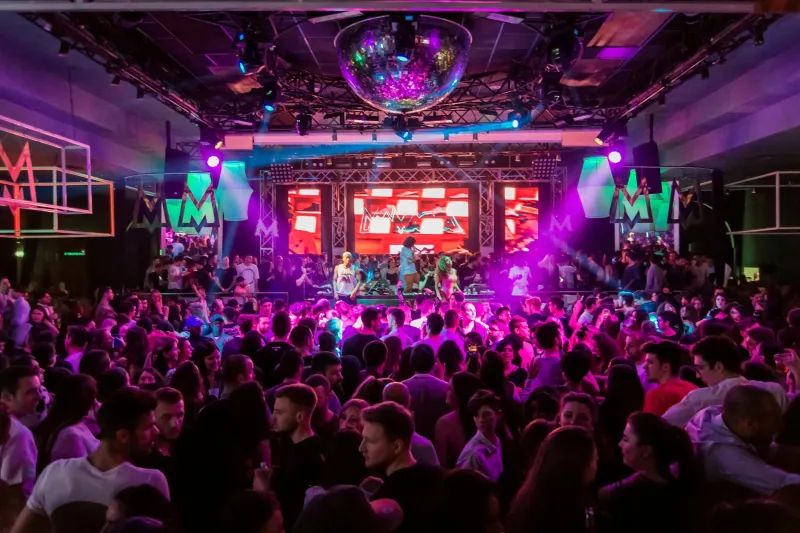
Start with the venues, and you'll understand why Manchester's winning this battle. The Warehouse Project continues to set the global standard for underground electronic music experiences. While London clubs scramble to justify £30 entry fees for cramped basement spaces, WHP delivers world-class production in genuinely epic surroundings.
But it's not just about the big names. Hidden gems like YES in the Pink Triangle offer intimate settings where you can actually hear yourself think – revolutionary concept in today's nightlife landscape. Meanwhile, Band on the Wall proves that live music venues can evolve without losing their soul, something many London establishments forgot long ago.
Then there's Gorilla, tucked away in an old Victorian railway arch. This is where Manchester's creative energy crystallises – part venue, part cultural hub, entirely authentic. Try finding something similar in Zone 1 London that doesn't cost a mortgage payment to enjoy.
The Neighbourhood Revolution
Ancoats represents everything exciting about Manchester's nightlife evolution. Once industrial wasteland, now a thriving district where converted mills house everything from intimate cocktail bars to underground techno bunkers. The beauty lies in the organic development – no corporate master plan, just passionate people creating spaces they actually want to spend time in.
Mayfield tells a similar story. This former railway depot has become a playground for experimental events and pop-up venues. The flexibility here is intoxicating – one weekend it's hosting a massive rave, the next an intimate jazz session. London's rigid planning restrictions could never accommodate such creative freedom.
The People Making It Happen
Speak to local promoters like the Hidden collective, and you'll hear genuine passion for building something special rather than just maximising profit margins. "Manchester gives you space to experiment," explains one promoter who relocated from London two years ago. "People here are hungry for new experiences, not just Instagram moments."
This hunger extends to the punters themselves. Manchester crowds bring energy that London's increasingly tourist-heavy scene simply can't match. There's a communal spirit here, a sense that everyone's in it together rather than competing for social media content.
Regulars speak of venues like family – because many of these spaces genuinely operate like extended communities rather than corporate entertainment machines. When did you last feel that connection in a London club?
The Economics of Fun
Let's talk money, because it matters. A proper night out in Manchester – including pre-drinks, club entry, and late-night food – costs roughly half what you'd spend in central London. This isn't just about affordability; it's about accessibility and inclusivity.
When people aren't spending their entire monthly entertainment budget on a single evening, they can afford to take risks, try new venues, support emerging artists. This economic reality has created a more dynamic, experimental scene that benefits everyone involved.
Cultural Authenticity vs Commercial Pressure
Manchester's greatest advantage might be its resistance to over-commercialisation. While London venues increasingly cater to corporate events and wealthy tourists, Manchester's scene remains rooted in local culture and genuine musical passion.
This authenticity attracts international attention for the right reasons. When world-class DJs choose Manchester over London for special sets, it's because they know the crowds here understand and appreciate the music, not just the celebrity factor.
The Sound of the Future
Musically, Manchester continues pushing boundaries while London plays it increasingly safe. From the experimental electronic sounds emerging from venues like Soup Kitchen to the genre-bending nights at Deaf Institute, there's a fearlessness here that feels genuinely exciting.
The city's musical heritage provides a foundation, but it's not a cage. New artists and promoters build on that legacy while creating something entirely contemporary and relevant.
Why This Matters
Manchester's nightlife supremacy isn't just about regional pride – it represents a shift toward more sustainable, community-focused entertainment culture. When cities prioritise authentic experiences over profit maximisation, everyone benefits.
The question isn't whether Manchester has surpassed London; it's whether London can learn from Manchester's example and rediscover what made it special in the first place. Until then, the north will continue showing the rest of Britain how proper nightlife should operate.
For anyone serious about experiencing the best of British club culture, the choice is clear. Pack your bags, head north, and prepare to understand why Manchester is having the last laugh in Britain's nightlife revolution.