The Invisible Army: Meet the Legends Building Britain's Festival Dreams From Scratch
The 4AM Wake-Up Call That Never Gets Old
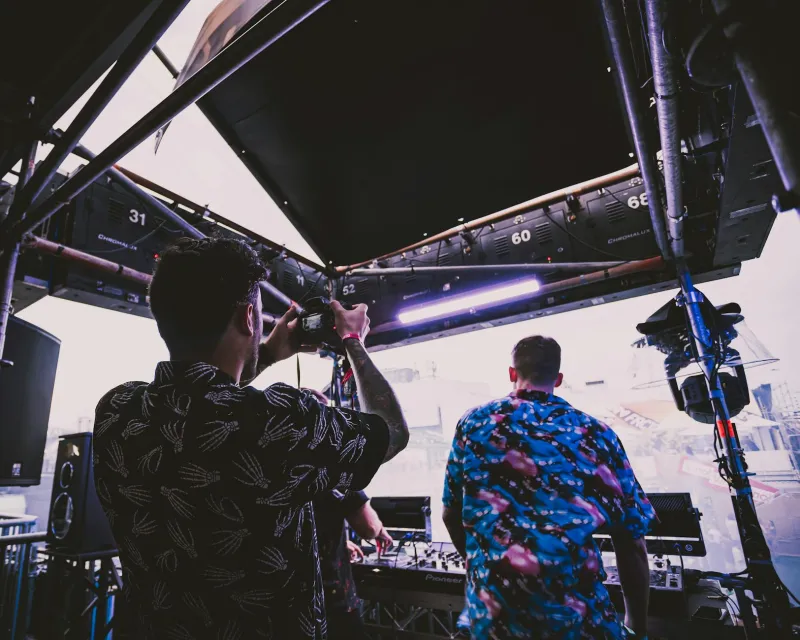
While festival-goers are still nursing hangovers from the night before, Jamie McAllister is already three hours into his day. By 4AM, this veteran stage manager has checked weather reports, briefed his crew, and started the intricate dance of transforming yesterday's bare bones into today's main stage magic.
"People see the finished product – the pyrotechnics, the perfect sound, the seamless transitions," Jamie tells us, adjusting his hi-vis vest as roadies stream past carrying flight cases. "They don't see the 72-hour marathon it takes to make that two-hour headliner set look effortless."
Jamie's been in the game for fifteen years, working everything from intimate Reading club shows to the sprawling chaos of Glastonbury's Pyramid Stage. His crew? A tight-knit family of riggers, sound engineers, lighting technicians, and general production legends who speak in a language of load-ins, bump-outs, and the sacred art of making the impossible happen on impossible deadlines.
Welcome to the Ultimate Boys' Club (That's Finally Changing)
The production world has traditionally been a testosterone-heavy environment, but that's shifting faster than a last-minute stage design change. Sarah Chen, one of Britain's most respected lighting designers, has watched the industry evolve from her perch behind some of the UK's biggest festival rigs.
"When I started twelve years ago, I was often the only woman on a crew of thirty blokes," Sarah explains, programming cues for tonight's headline act. "Now? We've got female riggers, sound engineers, stage managers. The old boys' club mentality is dying, and the work's getting better for it."
The camaraderie remains fierce, though. Festival crews operate like military units – precision timing, absolute trust, and the kind of gallows humour that emerges when you're trying to weatherproof a £2 million sound system while horizontal rain batters your face.
"You learn who you can rely on pretty quickly," laughs Tommy Rodriguez, a rigger who's spent the summer bouncing between Download, Latitude, and Leeds Festival. "When you're 40 feet up rigging lights in a Force 8 gale, you need to know the person holding your safety line isn't checking their Instagram."
The Science of Sonic Perfection
What separates amateur night from festival-grade production isn't just the size of the speakers – it's the obsessive attention to detail that most punters never notice. Sound engineer Marcus Wright has been fine-tuning festival audio for over a decade, and he's evangelical about the craft.
"Every festival site is different," Marcus explains, gesturing toward the sprawling main stage setup. "Wind direction, ground composition, surrounding structures – they all affect how sound travels. We're not just setting up speakers; we're acoustic architects designing an experience for 80,000 people spread across half a mile."
The technical complexity is staggering. A single main stage setup involves hundreds of individual components: line arrays, delay towers, monitoring systems, mixing desks that cost more than most people's houses. The margin for error? Essentially zero.
"You get one shot," says Marcus. "When Arctic Monkeys walk on stage, everything has to work perfectly. No second takes, no 'sorry, can we try that again?' The pressure is mental, but that's what makes it addictive."
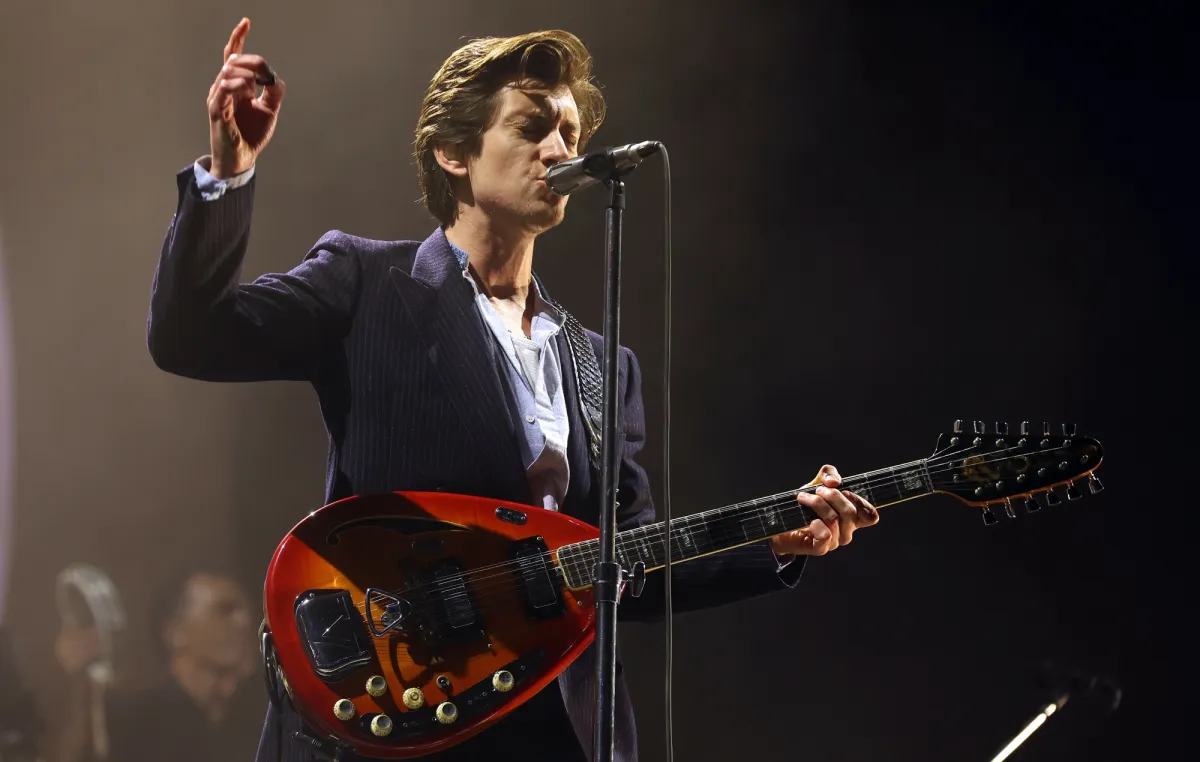 Photo: Arctic Monkeys, via www.nme.com
Blood, Sweat, and Beautiful Chaos
The physical demands are brutal. Crew members regularly pull 18-hour days, often in appalling weather conditions. Festival production schedules are merciless – stages must be built, tested, and show-ready regardless of whether Mother Nature decides to turn the site into a swamp.
"I've worked in 40-degree heat and torrential downpours, sometimes on the same day," recalls veteran stage hand Dave Morrison, whose weathered hands tell stories of two decades in the trenches. "Your back's killing you, you're running on three hours' sleep and instant coffee, but when that crowd erupts for the first song? Worth every minute."
The injury rate is significant – cuts, bruises, and the occasional broken bone are occupational hazards when you're moving massive equipment under time pressure. But the crew culture is fiercely protective. When someone gets hurt, the entire team rallies.
The Rush That Keeps Them Coming Back
So why do it? Why choose a career that's physically demanding, poorly paid compared to the skill level required, and involves months away from home?
"It's the ultimate high," says Jamie, watching his crew put finishing touches on tonight's setup. "When everything clicks – the lights hit perfectly, the sound is crystal clear, and you see 50,000 people losing their minds to music you helped deliver – there's nothing like it."
The festival circuit creates its own ecosystem. Crew members become nomadic tribes, following the summer season from site to site, living in shared accommodation, forming bonds that last decades. It's a lifestyle that attracts a particular type of person – those who thrive on chaos, perfectionism, and the satisfaction of creating something magical from nothing.
Recognition Long Overdue
Recently, there's been growing recognition of the crew's contribution to Britain's festival culture. Some events now include crew appreciation initiatives, better accommodation, and acknowledgment that these invisible heroes deserve more than just a brief mention in the programme credits.
"The industry's slowly waking up to the fact that happy crew means better shows," observes Sarah. "We're not just roadies anymore – we're skilled technicians, and our expertise directly impacts the audience experience."
As another festival season winds down and the crew begins the mammoth task of breaking down what they spent days building, there's already talk of next year. Because despite the exhaustion, the physical demands, and the thankless hours, they'll be back. Building dreams, one stage at a time.