Feast Mode: When Festival Food Became More Important Than the Headliners
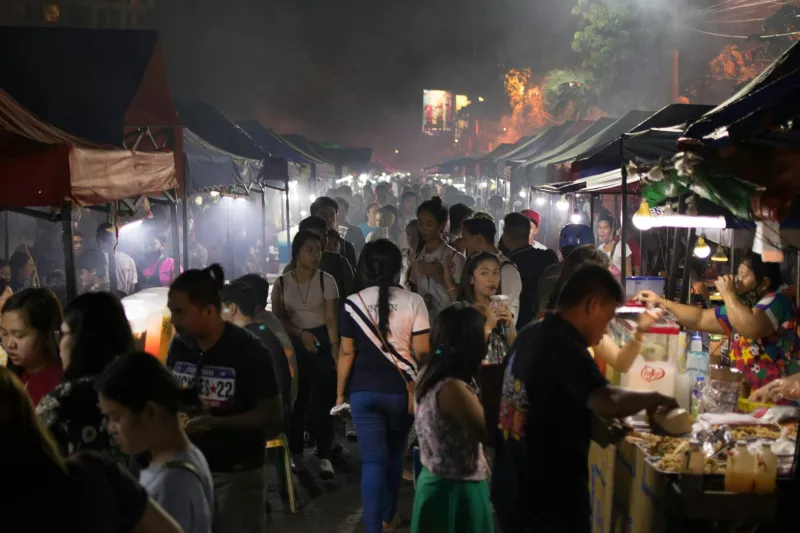
Something remarkable has happened to British festival culture over the past five years. Somewhere between the craft beer revolution and the Instagram generation's obsession with photogenic experiences, festival food evolved from an afterthought into the main attraction. Today's festival-goers are just as likely to plan their weekend around a legendary Korean BBQ stand as they are around a headline act – and honestly? We're absolutely here for it.
From Greasy Spoon to Gourmet Scene
Remember when festival food meant choosing between a burnt burger or questionable hot dog from a van that looked like it hadn't seen a health inspector since the Blair years? Those days are firmly behind us. The transformation has been nothing short of revolutionary, with festivals now hosting everything from Michelin-starred pop-ups to cutting-edge plant-based concepts that wouldn't look out of place in Shoreditch.
Boomtown Fair's food coordinator Maya Patel has witnessed this evolution firsthand: "Five years ago, our food briefing was 'don't give anyone food poisoning.' Now we're curating experiences that rival London's best restaurants. Our Korean taco stand has a longer queue than the main stage sometimes, and that's exactly how we want it."
The numbers back up this cultural shift. Festival Republic's latest data shows that 73% of attendees now research food vendors before purchasing tickets, while food-related social media posts from festivals have increased by 340% since 2019.
The Festivals Leading the Flavour Revolution
Wilderness Festival in Oxfordshire has become the gold standard for festival dining. Their "Good Food" area reads like a who's who of Britain's most innovative chefs. This year's lineup included everything from Dishoom's legendary black daal to experimental fermentation workshops led by Nordic Food Lab alumni.
"We realised early on that our audience wasn't just coming for the music," explains Wilderness creative director James Thomas. "They wanted a complete sensory experience. Food became our secret weapon – it's what transforms a music festival into a lifestyle event."
Glastonbury, never one to be outdone, has embraced the food revolution with typical enthusiasm. The Worthy Farm Café now features rotating residencies from some of Britain's most celebrated chefs, while the Green Fields area has become a showcase for sustainable, locally-sourced cuisine that's changing how festivals think about environmental impact.
The Street Food Stars Stealing the Show
Behind every great festival food scene are the vendors who've elevated street food from convenience to art form. Take Oli Baba's, whose halloumi wraps have achieved legendary status across the festival circuit. Founder Oliver Hassan started with a single van at a small folk festival in Wales and now operates at over 30 events annually.
"The festival circuit has become incredibly sophisticated," Hassan explains. "Punters know good food when they taste it, and they're willing to queue and pay premium prices for quality. It's pushed all of us to raise our game massively."
Meanwhile, Holy Moly Guacamole has built an empire around perfectly crafted Mexican street food, with their breakfast burritos becoming the stuff of festival legend. "We get messages from people planning their entire festival strategy around our opening hours," laughs co-founder Sarah Martinez. "It's mental, but also incredibly flattering."
The Instagram Effect
Let's be honest – the rise of festival food culture is intrinsically linked to social media. Today's festival-goers want experiences that look as good as they taste, and food vendors have responded with Instagram-worthy presentations that generate organic marketing worth thousands.
Boomtown's famous "Noodle Bar" installation – complete with neon signage and steam effects – generates more social media engagement than many of the musical acts. "We're not just serving food anymore," admits vendor Tom Chen. "We're creating moments that people want to share."
The Plant-Based Revolution
Perhaps nowhere is the festival food evolution more apparent than in the explosion of plant-based options. Festivals that once struggled to offer a decent vegetarian option now feature entire areas dedicated to innovative vegan cuisine.
Lovebox's plant-based village, curated by renowned vegan chef Gaz Oakley, showcases how festival food has embraced dietary diversity without sacrificing flavour or creativity. "The quality of plant-based festival food has gone through the roof," Oakley observes. "We're not talking about sad salads anymore – we're talking about jackfruit tacos that'll blow your mind."
Regional Flavours and Local Heroes
The best festival food scenes celebrate local culinary traditions while pushing creative boundaries. Scotland's TRNSMT festival has become a showcase for elevated Scottish cuisine, featuring everything from gourmet haggis rolls to craft whisky pairings.
Down south, Isle of Wight Festival's collaboration with local fishermen has created a seafood scene that rivals any coastal restaurant, while Latitude's Suffolk location has inspired a focus on locally-sourced, seasonal ingredients that changes the entire festival's culinary personality.
The Economic Impact
The festival food revolution isn't just about better eating – it's driving serious economic impact. Industry analysis suggests that food and beverage now accounts for 35-40% of total festival revenue, up from just 15% a decade ago.
For many vendors, the festival circuit has become a viable year-round business model. "We do 20 festivals a year now," explains Burger Theory's James Walsh. "It's gone from being a summer sideline to our primary business. The quality expectations are restaurant-level, but so are the profits."
Your 2025 Festival Food Hit List
Planning your festival food adventures for 2025? Here are the experiences that should be on every food lover's radar:
Wilderness Festival (Oxfordshire): The Michelin pop-up series featuring rotating residencies from London's top restaurants.
Boomtown Fair (Hampshire): The legendary Noodle Bar district and their famous late-night dumpling runs.
Latitude (Suffolk): The "Field to Fork" area showcasing the best of East Anglian produce.
Green Man (Wales): The craft beer and artisan cheese pairings that have become festival legend.
TRNSMT (Glasgow): Scotland's finest street food scene, from elevated haggis to craft gin bars.
The Future of Festival Feasting
As we look ahead, festival food shows no signs of slowing its innovative trajectory. Virtual reality dining experiences, AI-personalised menus, and zero-waste cooking concepts are all being tested at forward-thinking events.
"We're just scratching the surface," believes food innovation consultant Rachel Thompson. "The next wave will be about personalisation and sustainability. Imagine festivals where your wristband tracks your dietary preferences and guides you to vendors that match your taste profile."
The Final Bite
The transformation of Britain's festival food scene represents more than just better eating options – it's a reflection of how our relationship with experiences has evolved. Today's festival-goers want authenticity, quality, and Instagram-worthy moments, and the food scene delivers on all fronts.
Whether you're queuing for legendary Korean tacos at Boomtown or discovering your new favourite craft brewery at Green Man, one thing is clear: British festival food has grown up, and it's absolutely delicious. The headliners might get top billing, but increasingly, it's the food lineup that's creating the memories that last long after the final encore.