Fabric of Festival Life: Why Britain's Wristband Warriors Never Cut the Cord
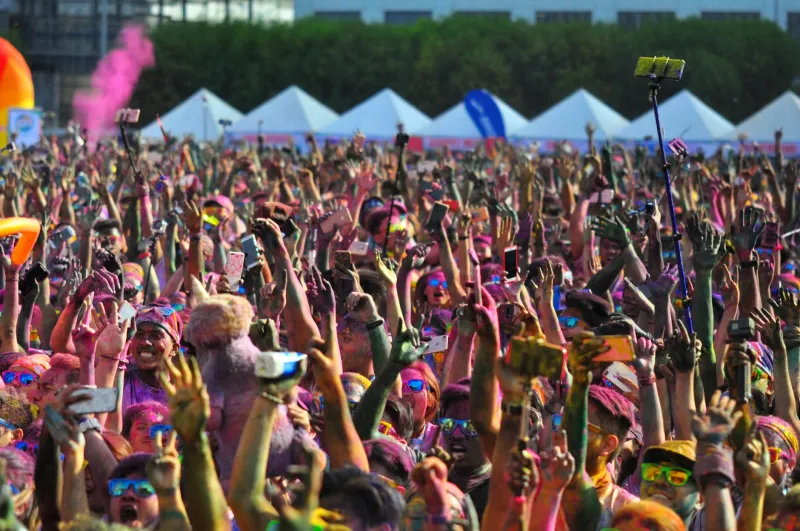
The Mark of the Music Tribe
Walk through any British city centre and you'll spot them – the wristband warriors. Their arms adorned with faded fabric strips bearing the logos of Download, Leeds, Latitude, and countless other festivals. What started as simple entry tokens have morphed into something far more significant: permanent tattoos of temporary experiences, worn with the pride of battle scars.
Sarah Mitchell, 28, from Brighton, hasn't removed a festival wristband in four years. Her collection snakes up both arms like colourful vines, each one triggering a flood of memories. "People think I'm mental, but these aren't just bits of fabric," she explains, rolling up her sleeves to reveal weathered bands from Boomtown, Secret Garden Party, and Isle of Wight. "This orange one? That's when I met my boyfriend at Bestival. The muddy green one? Glastonbury 2019, the year Stormzy headlined. You can't put a price on that."
More Than Memorabilia
The phenomenon has exploded across Britain's festival circuit, transforming humble entry bands into coveted cultural currency. Unlike band merchandise that screams "tourist," these fabric totems whisper insider knowledge. They're proof you were there when it mattered, that you've paid your dues in the mud of Worthy Farm or survived the chaos of Download's main stage pit.
Dr Emma Thompson, a cultural anthropologist at Manchester University, sees deeper meaning in the trend. "Festival wristbands function as modern tribal markers," she explains. "They signal belonging to a community that values experience over material possessions. In a digital age where everything is virtual, these physical tokens provide tangible connection to transformative moments."
The psychology runs deeper than simple nostalgia. For many, the bands represent personal evolution – the shy teenager who discovered confidence in a mosh pit, the recent graduate who found their tribe among strangers. They're portable reminders of who we become when the music starts and inhibitions fade.
The Design Revolution
Festival organisers have cottoned on to this obsession, treating wristband design with the seriousness once reserved for poster artwork. Glastonbury's 2023 bands featured holographic elements that shift colour in sunlight. Download's recent designs incorporate heat-reactive inks that change pattern based on body temperature. Even smaller festivals like Truck and Green Man have invested heavily in distinctive band aesthetics.
"We spend months perfecting our wristband design," reveals Marcus Chen, brand director for a major UK festival. "It's not just about security anymore – it's about creating something people want to keep forever. We've seen attendees frame their bands, incorporate them into artwork, even request them as wedding accessories."
The attention to detail is staggering. Fabric weights are carefully selected for comfort during extended wear. Colours are chosen to complement festival branding while remaining visually striking months later. Some festivals now offer premium upgrade bands with enhanced materials or exclusive designs, creating tiers of status within the wristband hierarchy.
Trading Floor Fever
Where obsession goes, commerce follows. Facebook groups dedicated to wristband trading have exploded across Britain, with rare bands from sold-out festivals commanding serious money. A pristine Glastonbury 1995 band recently sold for £200 on eBay. Banksy's Dismaland wristbands regularly fetch triple figures.
The secondary market has spawned its own ecosystem of collectors, dealers, and authenticators. Jake Williams runs 'Band Central,' a Manchester-based trading hub that's processed over 3,000 wristband transactions. "It's mental how much some people will pay," he admits. "I've seen someone drop £150 on a Secret Garden Party band because it was their first festival with their late father. The emotional value completely trumps the material cost."
Authenticity is crucial in this market. Counterfeit bands from major festivals have started appearing, forcing collectors to develop expertise in fabric quality, printing techniques, and security features. Some serious collectors now photograph their bands under UV light to verify authenticity markers.
Beyond the Band Tee
Traditionally, festival merchandise meant band t-shirts – bold statements of musical allegiance that gradually faded in wardrobes across Britain. Wristbands offer something different: subtle, personal, and infinitely more durable. They don't clash with work dress codes or fade in the wash. They're conversation starters that don't scream for attention.
"I've got drawers full of festival tees I never wear," admits longtime festival-goer Pete Davies from Cardiff. "But these bands? They're part of me now. They've been through everything – job interviews, first dates, family dinners. They're my festival passport, always ready for the next adventure."
The Permanent Temporary
As Britain's festival scene continues evolving, the humble wristband has secured its place as the ultimate cultural totem. These fabric fragments capture something essential about the British festival experience – the democracy of shared experience, the value of temporary communities, and the power of music to mark life's chapters.
For the wristband warriors, cutting the cord isn't just about removing fabric – it's about severing connection to transformative moments that define who they are. In a world of digital ephemera, these tangible reminders of temporary magic have become permanent fixtures of British youth culture.
The next time you spot someone with arms full of faded fabric, remember – you're looking at a walking festival archive, each band a chapter in Britain's ongoing love affair with live music and shared experience.