Clear Heads, Full Hearts: The Booze-Free Brigade Taking Over Britain's Dance Floors
The Revolution Will Be Alcohol-Free
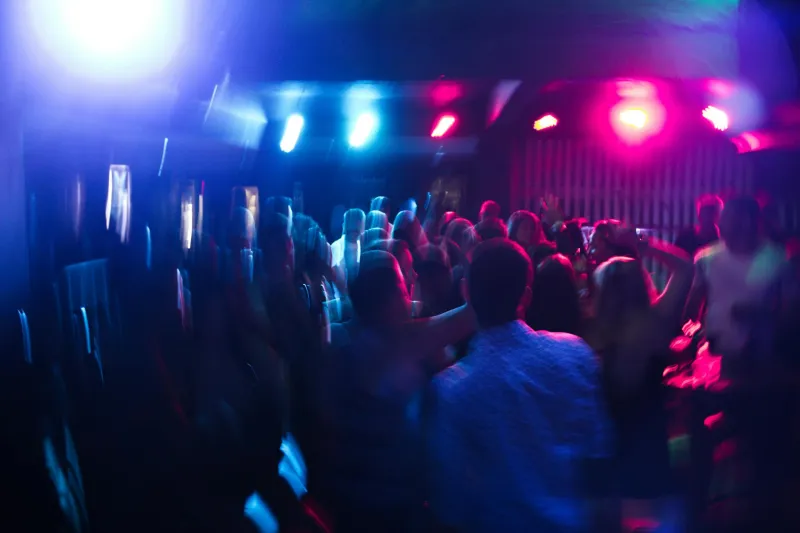
Picture this: it's midnight at a warehouse in East London, the bass is thumping, bodies are moving, and the energy is absolutely electric. But something's different about this crowd. Nobody's clutching a pint, there's no queue for overpriced vodka Red Bulls, and yet the dance floor is absolutely rammed with people having the time of their lives.
Welcome to Britain's sober nightlife revolution – a movement that's proving you can get properly mental without getting properly pissed.
What started as a niche curiosity has exploded into a nationwide phenomenon that's got everyone from seasoned ravers to curious first-timers questioning everything they thought they knew about a good night out. From Morning Gloryville's dawn raves to Club Soda's alcohol-free festivals, Britain's sober scene isn't just surviving – it's absolutely thriving.
More Than Just Missing the Booze
Forget everything you think you know about alcohol-free events. These aren't worthy, earnest gatherings where everyone sips orange juice and talks about their feelings. We're talking proper, sweaty, lose-yourself-in-the-music experiences that rival anything happening in traditional clubs.
"The first time I went to a sober rave, I was genuinely nervous," admits Emma Clarke, a 28-year-old from Birmingham who's become a regular on the alcohol-free circuit. "I thought it would be awkward, like a school disco where everyone's too self-conscious to properly let go. I couldn't have been more wrong. Within ten minutes, I was dancing like nobody was watching – because I actually didn't care if they were."
The secret sauce isn't what's missing – it's what's amplified. Without alcohol dulling the senses, everything becomes more intense: the music hits harder, conversations go deeper, and that natural high from dancing feels properly euphoric. Plus, there's something beautifully pure about choosing to be there for the love of it, not because you're three drinks deep and everything seems like a good idea.
The Pioneers Leading the Charge
Behind this movement are promoters and venue owners who spotted a gap in the market that nobody else was talking about. Sam Moyo, founder of Sober Sensation, started throwing alcohol-free parties in Manchester after realising how many of his mates were taking breaks from drinking but missing the social side of nightlife.
"It wasn't about being anti-alcohol," Moyo explains. "It was about creating space for people who wanted the community, the music, the release – all the best bits of clubbing – without needing to get hammered to access it."
The numbers speak for themselves. Sober Sensation's events regularly sell out, with punters travelling from across the North West to experience what Moyo calls "pure, unfiltered fun." Similar success stories are popping up everywhere: Glasgow's Sober Social draws crowds of 500+, while London's alcohol-free club nights are expanding faster than organisers can book venues.
Beyond the Dance Floor
The sober curious movement extends far beyond just raves and club nights. Across Britain, a whole ecosystem of alcohol-free social spaces is emerging. Leeds has seen the launch of sober bar crawls that hit multiple venues serving creative mocktails and alcohol-free beers that actually taste decent. Edinburgh's sober walking groups combine social connection with exploring the city's nighttime architecture.
Even traditional venues are getting on board. Pubs are expanding their non-alcoholic offerings beyond sad Diet Coke and orange juice, while established clubs are hosting alcohol-free nights to tap into this growing market.
"We started doing monthly sober nights because we kept getting requests," says Rachel Martinez, events manager at a popular venue in Bristol. "What surprised us was how different the atmosphere became. People stayed later, danced harder, and the whole vibe was just... cleaner. Not better or worse than regular nights, just completely different energy."
The Psychology of Sober Socialising
What's driving this shift? For many, it's about reclaiming agency over their social lives. In a culture where "getting on it" is often seen as the default way to have fun, choosing sobriety – even temporarily – becomes a radical act of self-determination.
Dr. James Harrison, who researches social behaviour at University College London, points to broader cultural shifts around wellness and authenticity. "Young people are increasingly questioning inherited social norms. Why should fun require alcohol? Why should social bonding depend on getting drunk together? The sober curious movement is asking these questions and finding that the answers aren't as obvious as previous generations assumed."
For others, it's practical. Rising drink prices, health consciousness, medication interactions, or simply wanting to remember the entire night are all driving people towards alcohol-free options. The beauty of the current scene is that it welcomes everyone – from people in recovery to designated drivers to anyone who just fancies trying something different.
Breaking Down the Barriers
One of the biggest challenges facing sober nightlife has been overcoming preconceptions. Many people assume alcohol-free events will be boring, awkward, or populated entirely by people with "problems." The reality couldn't be further from the truth.
"I've met some of the most interesting people at sober events," notes Tom Williams, a regular at London's alcohol-free scene. "When you're not using alcohol as social lubrication, conversations become more genuine. You're talking to people because you actually want to, not because you're both three pints in and everything seems hilarious."
The demographic is surprisingly diverse too. While you might expect a crowd of health-conscious millennials, sober events attract everyone from students looking for cheaper nights out to parents who want to go dancing without dealing with hangovers, to older ravers who've decided they prefer their euphoria natural.
The Economics of Sobriety
From a purely practical standpoint, sober nights out make serious financial sense. No £8 cocktails, no expensive taxi rides home because you're too drunk for public transport, no greasy hangover breakfast the next morning. A night out that might normally cost £100+ suddenly becomes accessible for under £30.
Venue owners are taking note too. Alcohol-free events often have lower insurance costs, fewer security issues, and virtually no cleanup from people who can't handle their drink. Staff report feeling safer and more relaxed during sober events, while damage to venues drops dramatically.
What's Next for Britain's Sober Scene?
The momentum shows no signs of slowing. New alcohol-free venues are opening monthly, established promoters are adding sober events to their calendars, and even major festivals are introducing alcohol-free areas and programming.
"We're not trying to replace traditional nightlife," clarifies Moyo. "We're just expanding the options. Some nights you want to get properly twisted with your mates. Other nights, you want to dance until 6am and wake up feeling like a human being. Now you can do both."
As Britain's relationship with alcohol continues evolving, the sober curious movement represents something genuinely exciting: proof that the best nights out aren't about what you consume, but about who you're with and how you choose to connect. And honestly? That's a revolution worth dancing to.