Camera Roll Culture: When Every Night Out Became a Performance
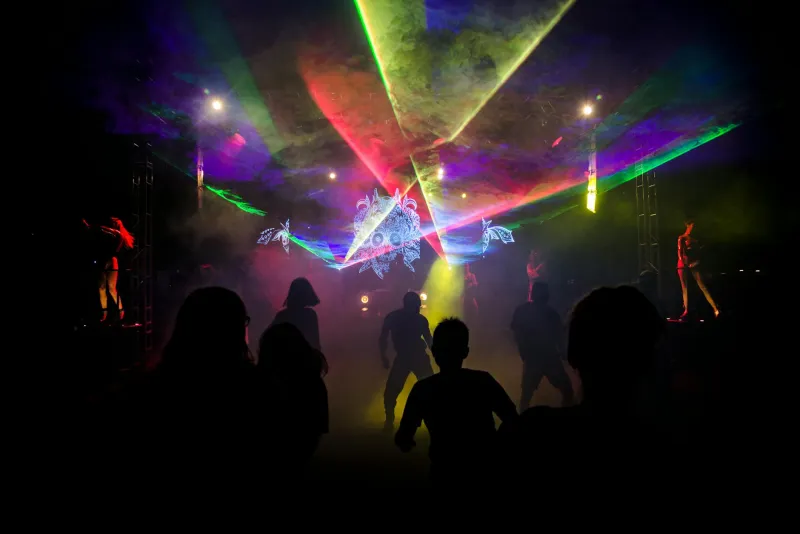
The strobes flash, the bass drops, and across Britain's dance floors, a thousand phone screens light up in unison. Welcome to 2025, where every night out is a potential viral moment and every clubber is their own personal documentarian.
Walk into any major UK venue on a Friday night and you'll witness something that would have been unthinkable just five years ago: punters queuing not for the bar, but for the perfect Instagram backdrop. The phenomenon has fundamentally rewired how Britain experiences nightlife, creating a new ecosystem where venues, promoters, and party-goers exist in a constant feedback loop of content creation and consumption.
The New Kingmakers
Meet Sarah Chen, a 23-year-old from Manchester whose TikTok account @SarahAfterDark boasts 180K followers. Her secret weapon? Capturing the raw energy of northern nightlife in 15-second clips that regularly rack up millions of views. "I never set out to become an influencer," she explains over coffee in the Northern Quarter. "I just loved documenting mad nights out with my mates. But now venues literally pay me to show up and film."
Sarah's story isn't unique. Across Britain, a new breed of nightlife content creators has emerged, wielding smartphones like magic wands that can transform unknown venues into must-visit destinations overnight. These aren't your typical lifestyle influencers posing with skinny teas – they're embedded in the culture, speaking the language of proper nights out with an authenticity that resonates with genuine clubbers.
The numbers don't lie. According to recent industry research, 73% of 18-25 year olds in the UK discover new venues through social media, with TikTok leading the charge. Venues that master the art of being 'Instagrammable' report up to 40% increases in footfall within weeks of going viral.
The Venue Revolution
Take XOYO in Shoreditch, which redesigned its entire entrance specifically with content creation in mind. "We realised that the traditional approach of just booking good DJs wasn't enough anymore," admits venue manager James Morrison. "People want experiences that look as good as they feel. We've created specific photo moments throughout the venue – neon installations, mirror walls, interactive art pieces. It's not about being fake; it's about giving people tools to share their genuine experiences."
The strategy worked. XOYO's hashtag has generated over 2.3 million views on TikTok, with user-generated content driving a 60% increase in weekend bookings. But it's not just about aesthetics – the venue has also invested in better lighting specifically for phone cameras and created 'content creator packages' that include priority entry and dedicated filming spots.
Similar transformations are happening nationwide. In Liverpool, 24 Kitchen Street installed LED strips that sync with the music specifically for video content. Manchester's Warehouse Project now employs a dedicated social media coordinator who roams the crowd, encouraging organic content creation while ensuring the venue's brand stays visible.
The Authenticity Paradox
But not everyone's celebrating this digital revolution. Marcus Thompson, a 34-year-old who's been clubbing since the early 2010s, represents a growing contingent of scene veterans who feel something essential has been lost.
"I remember when you could lose yourself on the dance floor for hours without thinking about how you looked or whether anyone was watching," he reflects. "Now half the crowd seems more interested in getting the perfect video than actually experiencing the music. It feels performative, like everyone's putting on a show rather than just being present."
This tension between authenticity and performance has become the defining conversation in UK nightlife circles. Promoters find themselves walking a tightrope – they need the marketing power of social media to fill venues, but risk alienating core audiences who value the escapist nature of clubbing.
Fabric, the legendary London institution, has taken a measured approach. While they don't actively discourage filming, they've maintained their focus on sound quality and DJ curation rather than visual spectacle. "Our dancefloor has always been about losing yourself in the music," says a venue spokesperson. "If that translates to social media, great. But we won't compromise the experience for content."
The Economics of Influence
The financial implications of this shift are staggering. Venues that once spent thousands on traditional advertising now allocate significant portions of their marketing budgets to influencer partnerships and content creator initiatives. The ROI is often immediate and measurable – a single viral TikTok can generate more exposure than months of traditional promotion.
Promoting company Skiddle reports that events featuring influencer partnerships see average ticket sales increases of 35%. Meanwhile, venues are restructuring their revenue models, with some offering 'content creator tables' at premium prices, complete with professional lighting and branded backdrops.
The Future of the Scene
As we look ahead, the integration of social media and nightlife seems irreversible. Emerging technologies like AR filters specifically designed for club environments and AI-powered content optimisation suggest the relationship will only deepen.
Yet there are signs of a potential backlash brewing. 'Phone-free' events are gaining traction, with some promoters advertising digital detox raves where devices are locked away upon entry. These events, while niche, consistently sell out, suggesting appetite for traditional, unmediated experiences remains strong.
The question isn't whether social media has changed UK nightlife – it clearly has. Instead, the challenge is finding balance. How do we harness the marketing power and community-building potential of content creation while preserving the raw, unfiltered magic that made British club culture legendary in the first place?
As Sarah from Manchester puts it: "The best content comes from genuine moments anyway. When you're having a proper good time, that energy translates. The trick is not letting the camera become more important than the experience itself."
In Britain's ever-evolving nightlife landscape, that balance might just be the key to keeping both the punters and the platforms happy.