Bass Wars and Brotherhood: Inside the Raw World of Britain's Sound System Battlegrounds
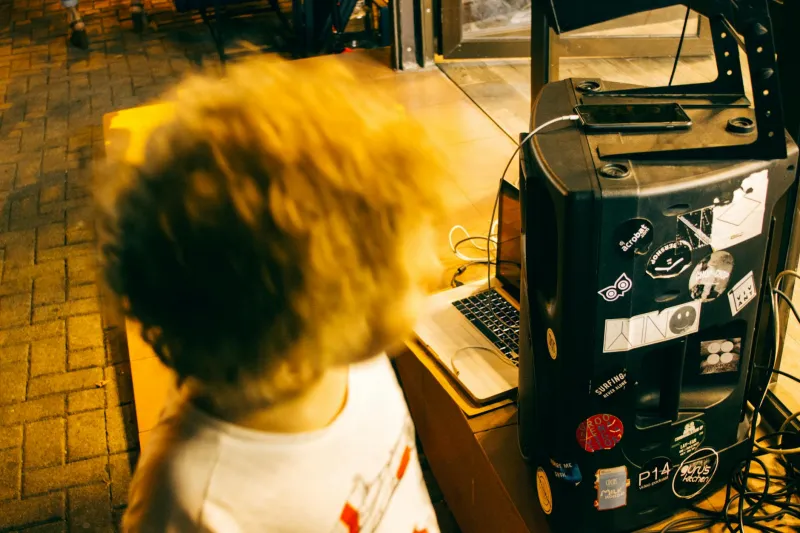
When the Bass Drops, Everything Else Stops
The floor vibrates so hard your ribcage feels like it might crack. In the corner of a Nottingham community centre, two tower stacks of speakers face off like medieval armies preparing for battle. Between them, a crowd of 200 people press forward, phones raised, waiting for the moment when one sound system will definitively crush the other into sonic submission.
This is sound clash culture – Britain's most underground musical battleground, where Caribbean traditions meet modern UK street culture in explosive confrontations that can last until sunrise.
Roots Run Deep
To understand today's scene, you need to trace it back to the late 1970s, when Jamaican immigrants brought sound system culture to British cities. Bristol, Nottingham, Birmingham, and London became the epicentres of a movement that was about far more than music – it was about community, identity, and respect.
"My dad started our sound system in 1983," explains Marcus 'Selecta Mars' Johnson, whose 'Bassline Warriors' crew operates out of a lock-up garage in St. Paul's, Bristol. "It wasn't about making money. It was about representing our community, playing music that mainstream radio wouldn't touch, and showing these other crews who had the heaviest sound."
The terminology tells the story: 'sound systems' aren't just speakers – they're entire cultural movements. Each crew has its own identity, its own followers, and its own carefully guarded selection of exclusive tracks called 'dubplates' that can only be heard at their events.
The Anatomy of Battle
A proper sound clash follows ancient rules that haven't changed in decades. Two or more crews set up their equipment facing each other across a dance floor. Each takes turns playing sets, with the crowd's reaction determining who advances. The final showdown – the 'tune fi tune' round – sees crews trading their biggest tracks until one is declared the winner.
But calling it a 'competition' misses the point entirely. This is tribal warfare conducted through bass frequencies and crowd response.
"You live and breathe your sound system," says Donna Campbell, whose 'Feminine Pressure' collective has been dominating clashes across the Midlands for fifteen years. "You spend thousands on equipment, you travel hundreds of miles for events, you build relationships with producers in Jamaica and London to get exclusive tracks. When you're clashing, you're representing everyone who supports your sound."
The Technical Obsession
Walk into any sound system crew's rehearsal space and you'll find equipment that would make professional venues weep with envy. Custom-built speaker cabinets tower towards industrial ceilings. Mixing desks bristle with controls that only the initiated understand. The bass bins – those chest-rattling subwoofers that define the culture – are treated with religious reverence.
"People think it's just about volume, but that's ignorant," explains Danny 'Bass Professor' Williams, who builds custom sound systems from his workshop in Handsworth, Birmingham. "It's about clarity, about frequency response, about making sure every element of a track hits your body the right way. A proper sound system doesn't just play music – it makes you feel it in your soul."
The technical knowledge required is staggering. Crew members become experts in acoustics, electronics, and audio engineering. They study room dimensions, calculate speaker placement, and fine-tune systems with the precision of Formula 1 mechanics.
The Modern Underground
While the roots remain Caribbean, today's sound clash scene reflects modern Britain's multicultural reality. You'll find crews representing Pakistani, Bangladeshi, Polish, and Nigerian communities alongside the traditional Jamaican sounds. The music has evolved too – bashment, UK garage, drill, and Afrobeats all feature alongside classic reggae and dancehall.
Young crews like 'Digital Babylon' from East London are pushing boundaries while respecting traditions. Their clashes blend live MCs with traditional selecta work, creating hybrid events that feel both ancient and futuristic.
"The fundamentals never change," explains 19-year-old selector Amara Okonkwo, whose 'New Wave Sounds' collective has been making waves across London's scene. "Respect the elders, bring proper music, and represent your community. But we're adding our own flavour – social media promotion, different venues, new sounds that still hit hard."
Sacred Spaces and Secret Venues
Sound clashes happen in spaces that mainstream nightlife has forgotten. Church halls in Tottenham host legendary battles that run until 6am. Community centres in Moss Side become sonic temples where crews worship at the altar of bass. Warehouses in Wolverhampton transform into temporary cathedrals of sound.
The venues matter because they're community spaces, often in areas where young people have few other outlets for expression. Sound systems provide identity, belonging, and purpose in communities that mainstream society often overlooks.
"This isn't about making money or getting famous," says veteran promoter Clinton 'Ras Clint' Thompson, who's been organising clashes across the West Midlands for three decades. "It's about keeping culture alive, giving young people something positive to focus on, and maintaining connections to our heritage."
The Unbreakable Brotherhood
Despite the competitive nature, sound system culture is built on mutual respect and shared passion. Crews that clash fiercely on Saturday night will help each other set up equipment on Sunday afternoon. Knowledge is shared freely. Veterans mentor newcomers regardless of which crew they represent.
"We might be rivals in the clash, but we're family in the culture," explains Marcus Johnson. "If another crew's amplifier breaks down, we'll lend them ours. If someone needs transport to an event, we'll share our van. The music brings us together more than it divides us."
Fighting for Recognition
The irony of sound system culture is its invisibility in mainstream British music discourse. While UK drill and grime receive extensive media coverage, sound systems – which provided the foundational infrastructure for both genres – remain largely ignored.
This invisibility is partly intentional. Sound system culture values authenticity over exposure, community over commerce. But it also reflects broader issues about which aspects of Black British culture receive recognition and support.
"We've been doing this for forty years," says Donna Campbell. "We've influenced every genre of British music you can name. But we're still treated like we don't exist. That's fine by us – we know our worth, and our community knows our value."
The Next Generation
As older heads worry about declining attendance and rising costs, younger crews are finding innovative ways to keep the culture alive. Social media helps promote events and build followings. Streaming platforms allow crews to share their selections beyond physical events. Some are exploring partnerships with established venues to bring sound clashes to new audiences.
But the fundamentals remain unchanged: respect, community, and the pursuit of the perfect sound that makes people move their bodies and lose their minds.
In a world of playlist algorithms and digital streaming, sound system culture offers something increasingly rare – human curation, community connection, and the irreplaceable experience of feeling music move through your body at volumes that defy description.
As the bass drops in that Nottingham community centre and the crowd surges forward, you understand why this culture has survived decades of economic hardship, social change, and technological disruption. Some things can't be digitised, commodified, or replaced.
Some things just need to be felt.