Bass Drops and Burpees: How Britain's Gym Floor Became the New Dancefloor
The Beat Goes On (Just With More Lycra)
It's 7 AM on a Tuesday in Shoreditch, and the bass is already thumping. But instead of bleary-eyed clubbers stumbling home, there's a queue of lycra-clad fitness enthusiasts waiting to get their endorphin fix. Welcome to the new frontier of British wellness culture, where the spirit of the rave has found an unlikely home in the nation's gyms and studios.
Across the UK, a movement is brewing that's fundamentally changing how we think about fitness. From Edinburgh's underground disco yoga sessions to Birmingham's jungle-soundtracked spin classes, former club promoters and veteran ravers are trading late-night venues for morning workouts, bringing the euphoria of the dancefloor to the gym floor.
From Warehouse to Wellness
Take Marcus Chen, who spent a decade promoting illegal warehouse raves across Manchester before launching 'Bass Therapy' – a HIIT class that combines 90s breakbeat with military-style training circuits. "The energy was always there," he explains, wiping sweat from his brow after leading a particularly intense session. "We just redirected it. Instead of dancing until sunrise, people are getting that same rush at 6 AM before work."
The concept isn't entirely revolutionary – fitness classes have always borrowed from dance culture. But what's happening now feels different. This isn't just about adding a decent playlist to a spin class. These venues are recreating the entire sensory experience of clubbing: strobing lights, fog machines, world-class sound systems, and most importantly, that sense of collective euphoria that only comes from moving in unison with strangers.
The Science of Sweat and Sound
Dr. Sarah Williams, a sports psychologist at Leeds University, has been studying the phenomenon. "There's genuine science behind why this works," she notes. "The combination of intense physical activity, communal experience, and carefully curated music triggers the same neurochemical responses as traditional clubbing – dopamine, serotonin, endorphins – but without the alcohol or the 3 AM comedown."
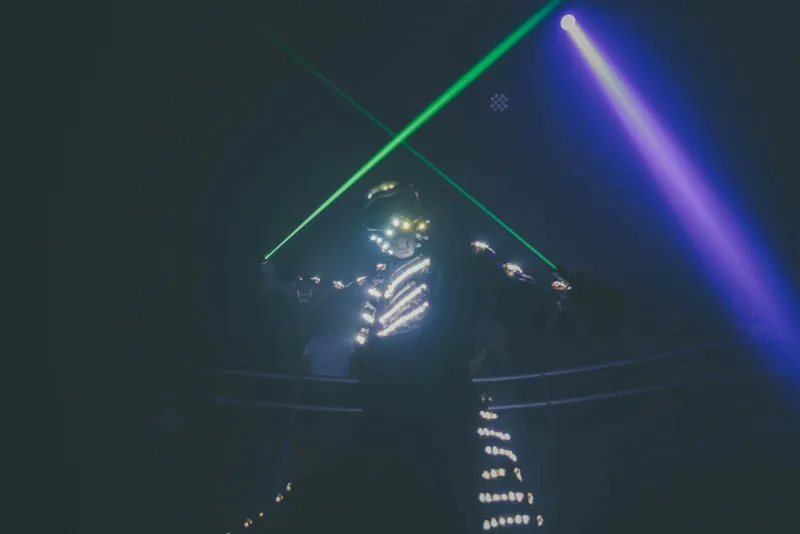
At 'Ritual Fitness' in Bristol, founder and former Fabric resident DJ Jamie Stevens has created something that feels more like a religious experience than a workout. The studio is pitch black except for laser lights that pulse in time with 130 BPM techno. Participants wear heart rate monitors that trigger different lighting effects as their pulse climbs. "We're not just burning calories," Stevens insists. "We're creating moments of transcendence."
Building Communities, Not Just Muscles
What's striking about these venues is how they're fostering genuine communities. Regular attendees speak about their classes with the same reverence old-school ravers reserve for legendary nights at Haçienda or Ministry of Sound. WhatsApp groups buzz with post-workout analysis, weekend plans get made, and friendships form over shared endorphin highs rather than shared hangovers.
Lucy Martinez, a 34-year-old accountant from Cardiff, discovered 'Jungle Gym' – a drum and bass-fuelled boxing class – during lockdown. "I'd stopped going out years ago," she admits. "Work, mortgage, life – you know how it is. But this gives me that feeling I used to get at Fabric, except I wake up feeling amazing instead of wanting to die."
The Promoter's New Playground
Traditional nightlife promoters are taking notice. Several major club brands have launched daytime fitness offshoots, recognising that their expertise in creating atmosphere and community translates perfectly to the wellness space. The team behind London's iconic XOYO recently opened 'XOYO Sweat' – a boutique studio that runs classes from 6 AM to 10 PM, effectively doubling their operational hours and reaching entirely new demographics.
"The skills are identical," explains promoter-turned-fitness-entrepreneur Katie Roberts. "Reading the room, building energy, creating that moment where everyone loses themselves in the music. Whether they're holding weights or holding drinks is irrelevant."
Challenges in Paradise
Not everyone's convinced this marriage of hedonism and health will last. Traditional fitness instructors worry about sustainability – both physical and cultural. "There's a difference between motivation and manipulation," argues veteran personal trainer Mike Thompson. "Some of these classes feel more like performance art than proper fitness programmes."
There are practical concerns too. Insurance costs for venues using club-standard sound and lighting systems are significantly higher. Noise complaints from neighbours unused to 6 AM bass drops are common. And there's the question of whether the novelty will wear off once the post-pandemic wellness boom settles.
The Future of Fitness Culture
Despite the challenges, the numbers suggest this trend has serious staying power. Industry reports show that rave-inspired fitness classes have 40% higher retention rates than traditional gym memberships. Participants attend an average of 3.2 sessions per week compared to 1.8 for conventional classes.
More importantly, these venues seem to be solving a genuine social need. In an era of increasing digital isolation and declining traditional nightlife participation, they're creating spaces where community, physical health, and pure joy intersect.
The Beat Will Go On
As Britain's nightlife landscape continues evolving, these hybrid spaces represent something genuinely innovative. They're not trying to replace traditional clubbing – they're creating an entirely new category of social experience. One where the hangover is optional, but the euphoria remains mandatory.
For a generation that grew up in superclubs but now faces mortgages and morning meetings, these venues offer the perfect compromise: all the community and energy of a great night out, with the added bonus of actually improving your life rather than temporarily escaping from it.
The rave might be over, but the revolution is just beginning.